Previous Highlights
Seeing the Light: Expo 2026 at Mahidol University - Senior Year Capstone Projects
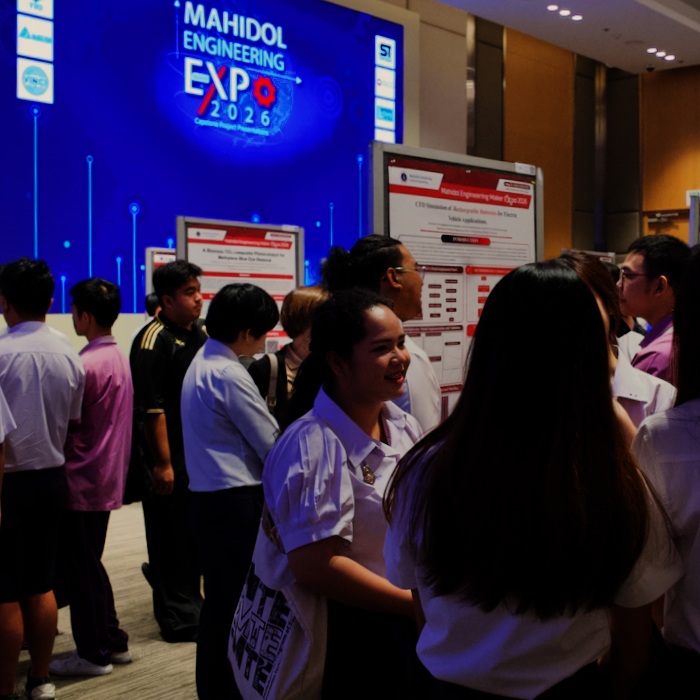
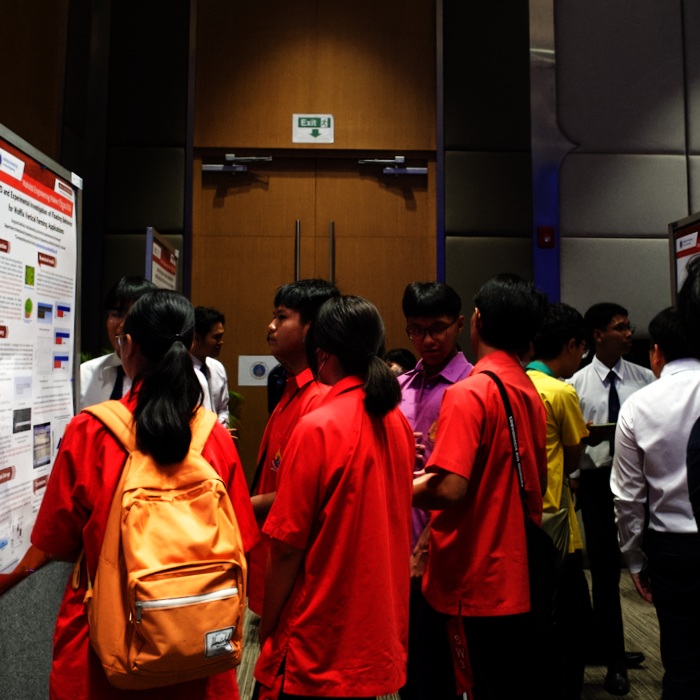
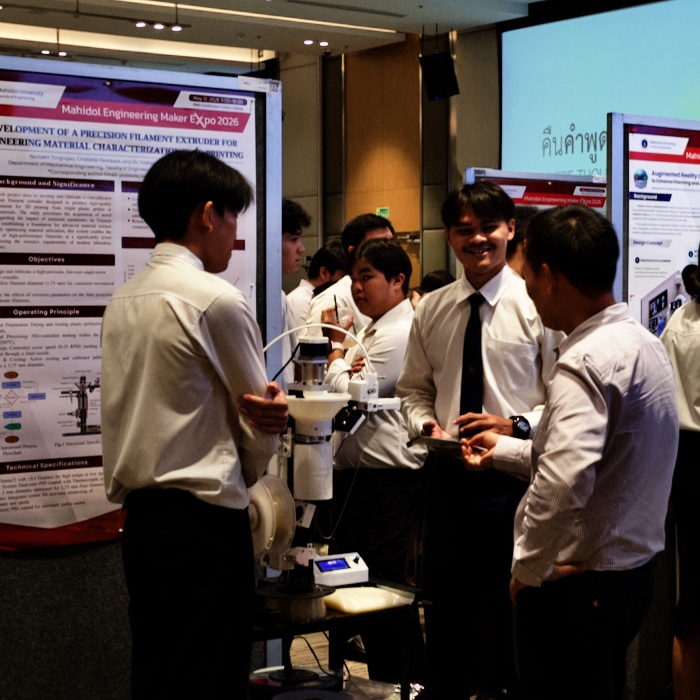
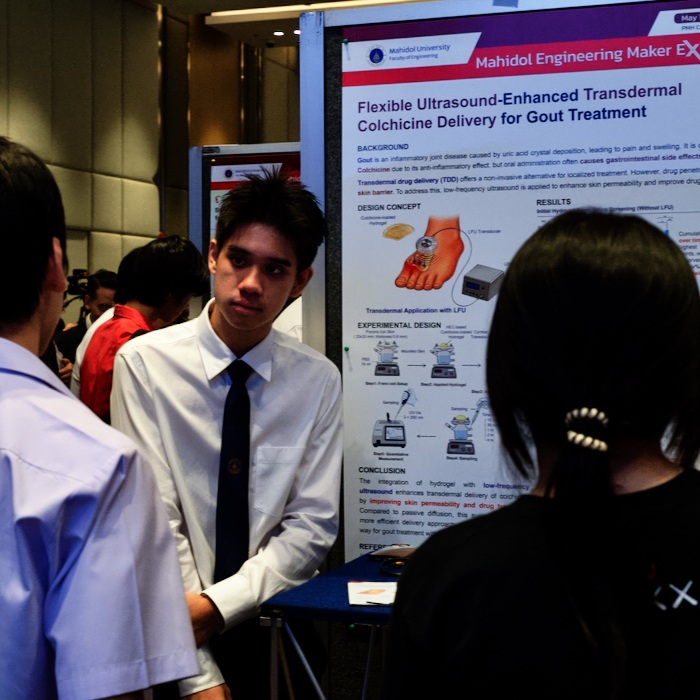
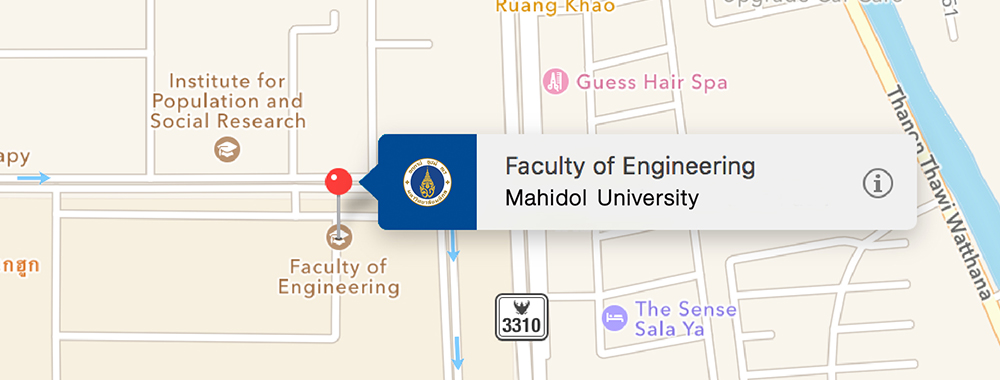
Senior year engineering students at Mahidol University in Thailand produce poster presentations of their final year projects. These are displayed at an event held on the Salaya campus. The best groups pitch their project ideas and are judged by a panel of experts. Hundreds of visitors attend the event from high school students to industry experts. The young engineers are keen to explain their projects to the visitors.
In recent years, the Faculty of Engineering at Mahidol University has taken a more proactive approach to the Senior Year capstone projects. These are a necessary part of each department's curriculum. To graduate, the students (usually in groups) must develop an engineering solution that satisfies the Faculty's requirements. In the past, once complete and all the boxes were ticked, documents and any hardware were put into storage. The students graduated and went on to better things, while the project materials gathered dust.
Some projects were developed further, but this was usually the result of a professor seeing some potential. The university now has an office to assist with intellectual property and the steps that need to be taken for any commercial development.
It was also recognised that the students themselves would benefit from a more public display of their work. Posters containing information about each project are produced and these are exhibited. In previous years, this had been in the Prince Mahidol Hall.
A team of industry experts - some of them Faculty graduates - views a selection of the best projects from each of the seven departments: Biomedical; Chemical, Civil and Environmental; Computer; Electrical; Industrial; and Mechanical Engineering. Students from the selected groups, pitch their ideas on stage and the panel judges their work.
This year, after opening remarks by Dr.Thanapat Wanichanon, Dean of the Faculty of Engineering and Prof. Piyamitr Sritara, President of Mahidol University, Dr. Yodchanan Wongsawat, Deputy Prime Minister, Minister of Higher Education, Science, Research and Innovation (MHESI), who has a long history with the Faculty of Engineering, spoke to the audience. His speech was followed by comments from the former CEO of Siam Commercial Bank, Mr. Kris Chantanotoke.
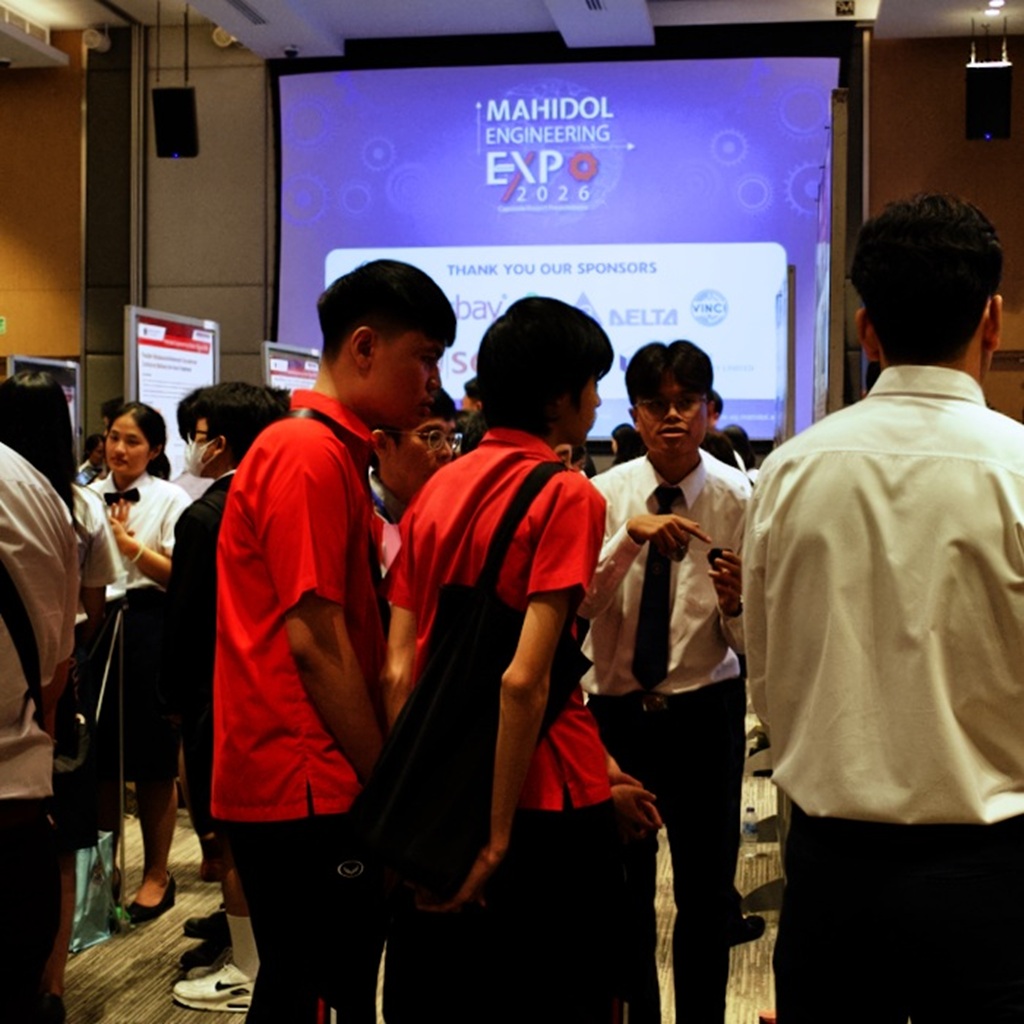
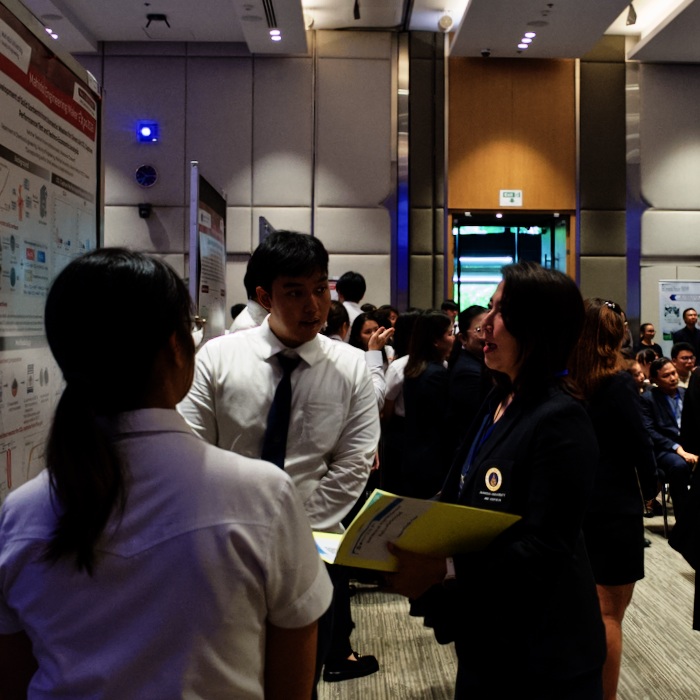
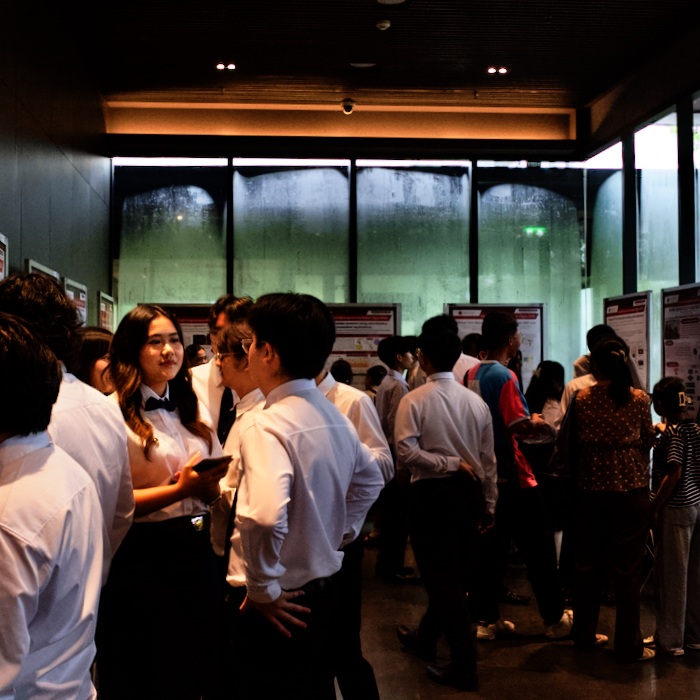
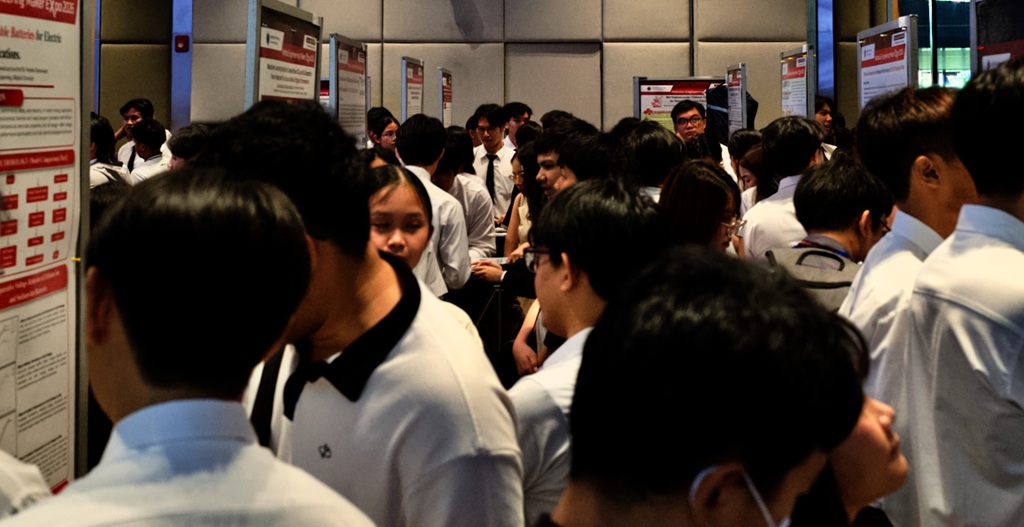
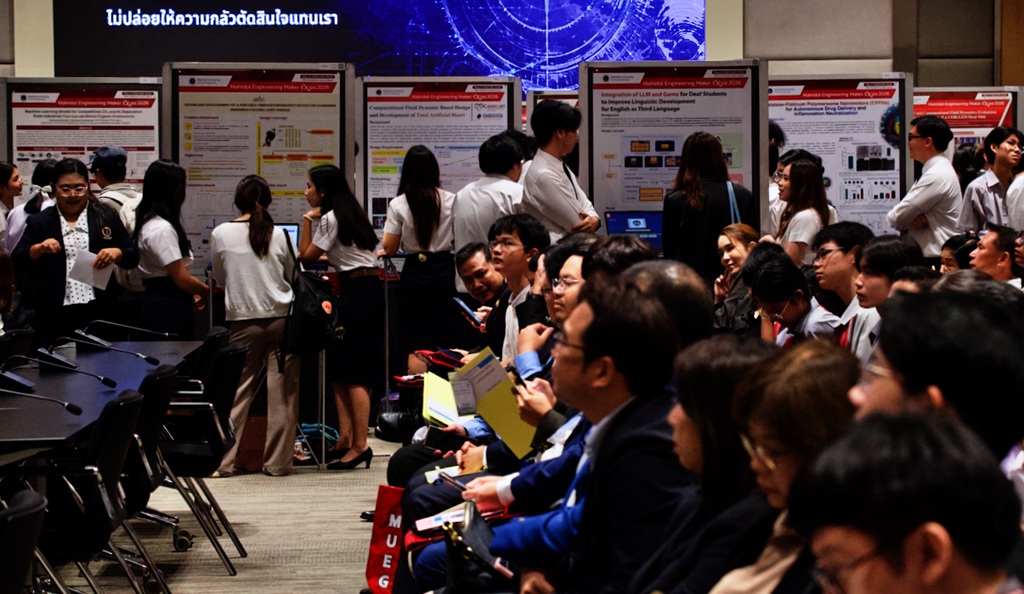
The venue was changed this time for a number of sound reasons to the PMH Conference Center, adjacent to the Prince Mahidol Hall. Although there was much of the same enthusiasm, the smaller space was not positively received by all attendees. It was less easy to move about and view the poster presentations, while the acoustics made it difficult to converse.
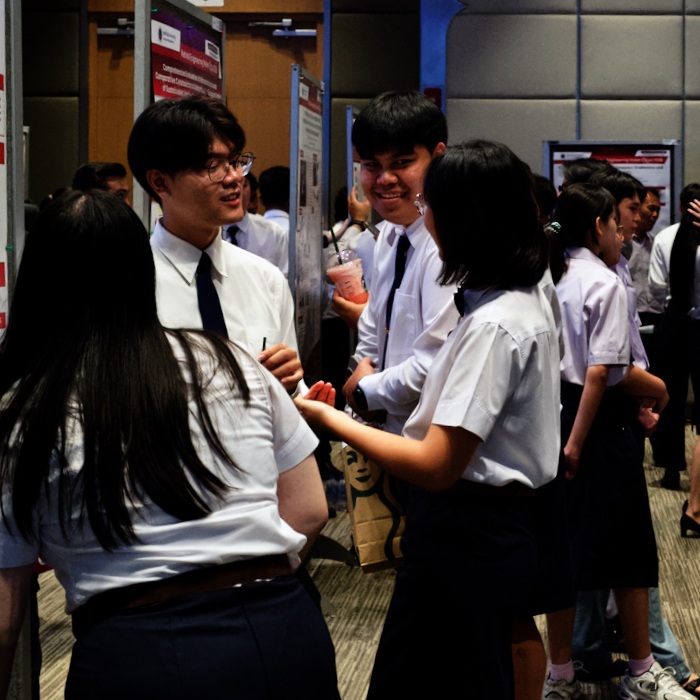
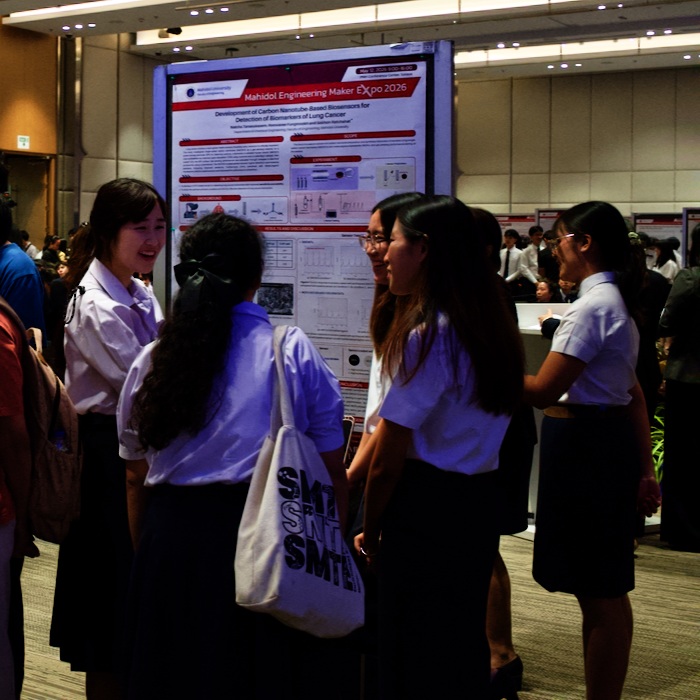
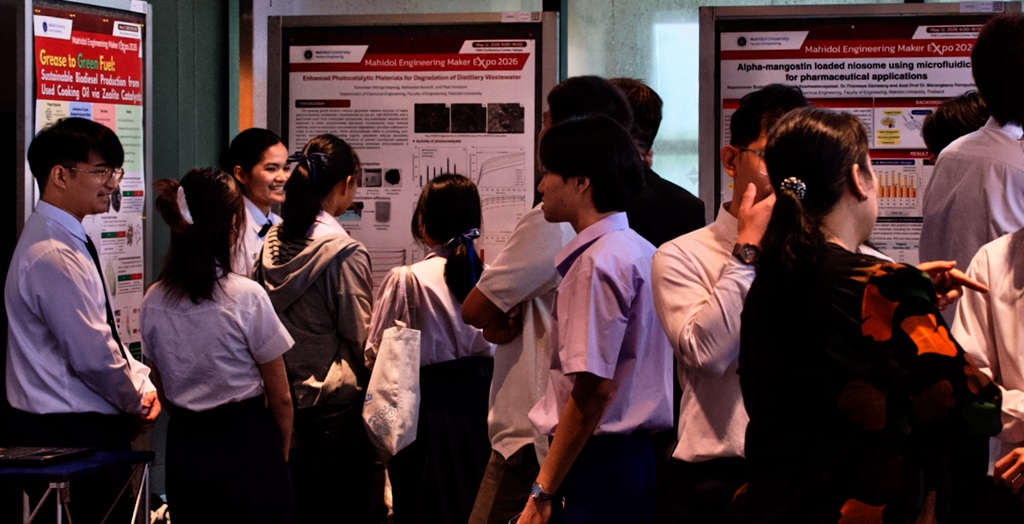
What I like about the event is the attendance of so many from outside the university. As well as Mahidol students and faculty members, visitors from industry also attend as well as many high school students. These young people are interested in learning about the technologies on display. They are also learning about the Faculty of Engineering in a low-key way.
The Expo allows them to learn about out-of-curriculum developments and ask questions of the students who worked on them. A classroom of 15 or 16 year olds is almost inert when compared with those that come to the Expo as individuals or in groups. You can see the brightness in their eyes: the analysis, the questions; and their sheer enjoyment as they absorb the information that surrounds them.
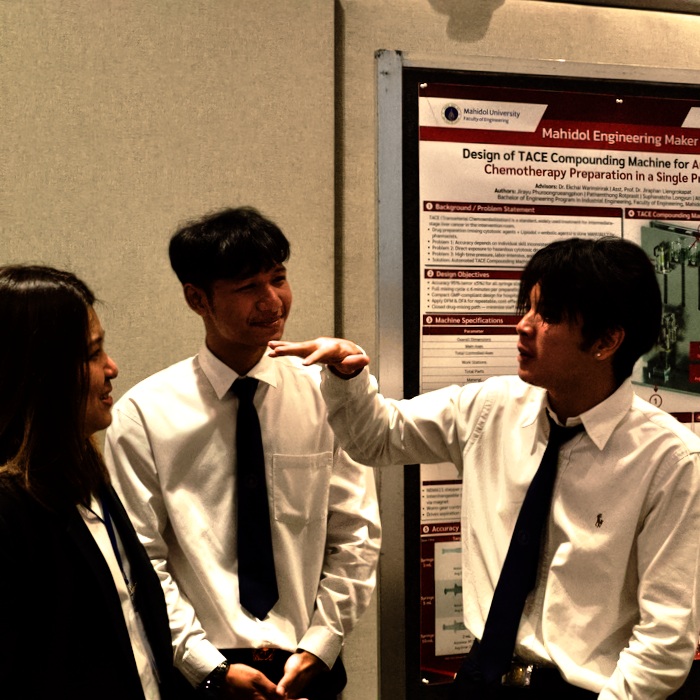
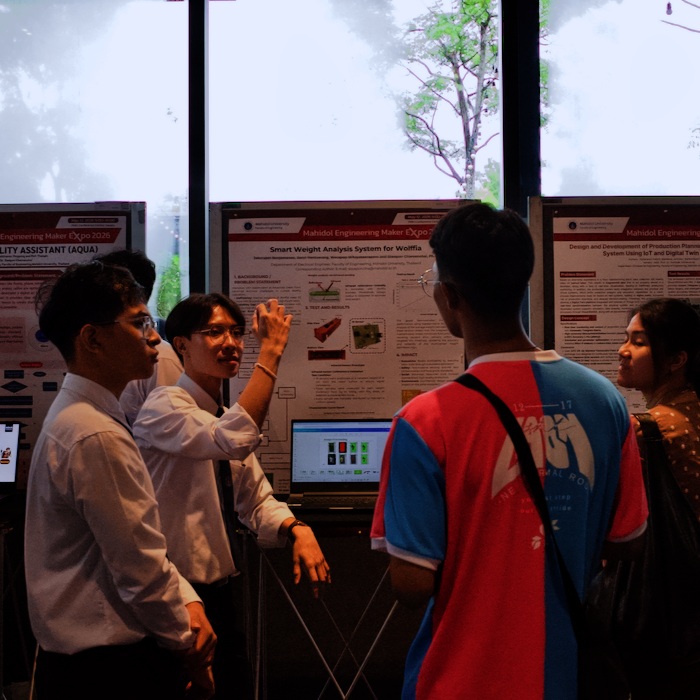
It is also a great experience to see the young engineers explaining to the many visitors what they have done. These students give similarly animated explanations to faculty lecturers and to the visitors from industry who are equally keen to find out about the projects and the students.
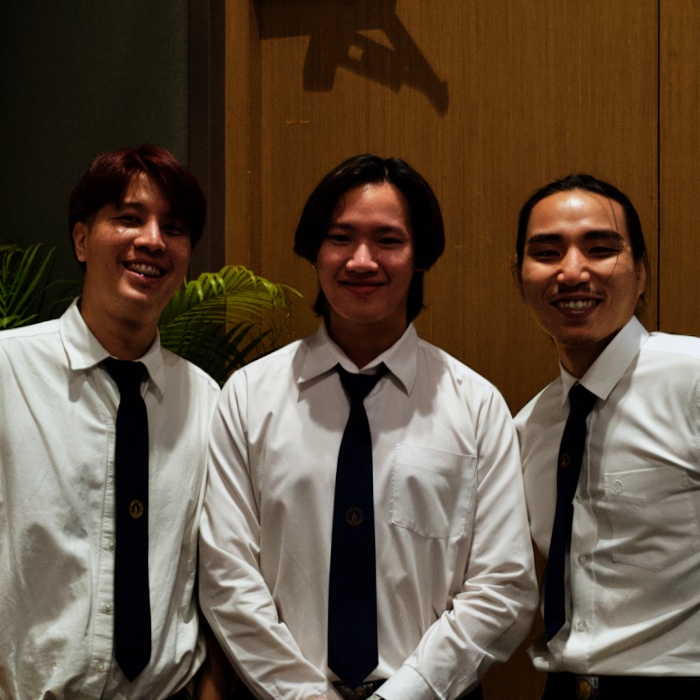
I engaged with several students while I wandered around taking photographs. I noted a number of projects that I would like to examine further. The students who had developed these were all keen to engage me in conversation. Even though one or two had limited English, their motivation carried them through. I particularly enjoyed a lengthy (and wide-ranging) chat with a group of Civil Engineering students. They have seen the light.
By Graham K. Rogers