Mahidol Engineering joins promotion of the Sufficiency Economy Center with modern technology at the Thong U-rai Elderly Club
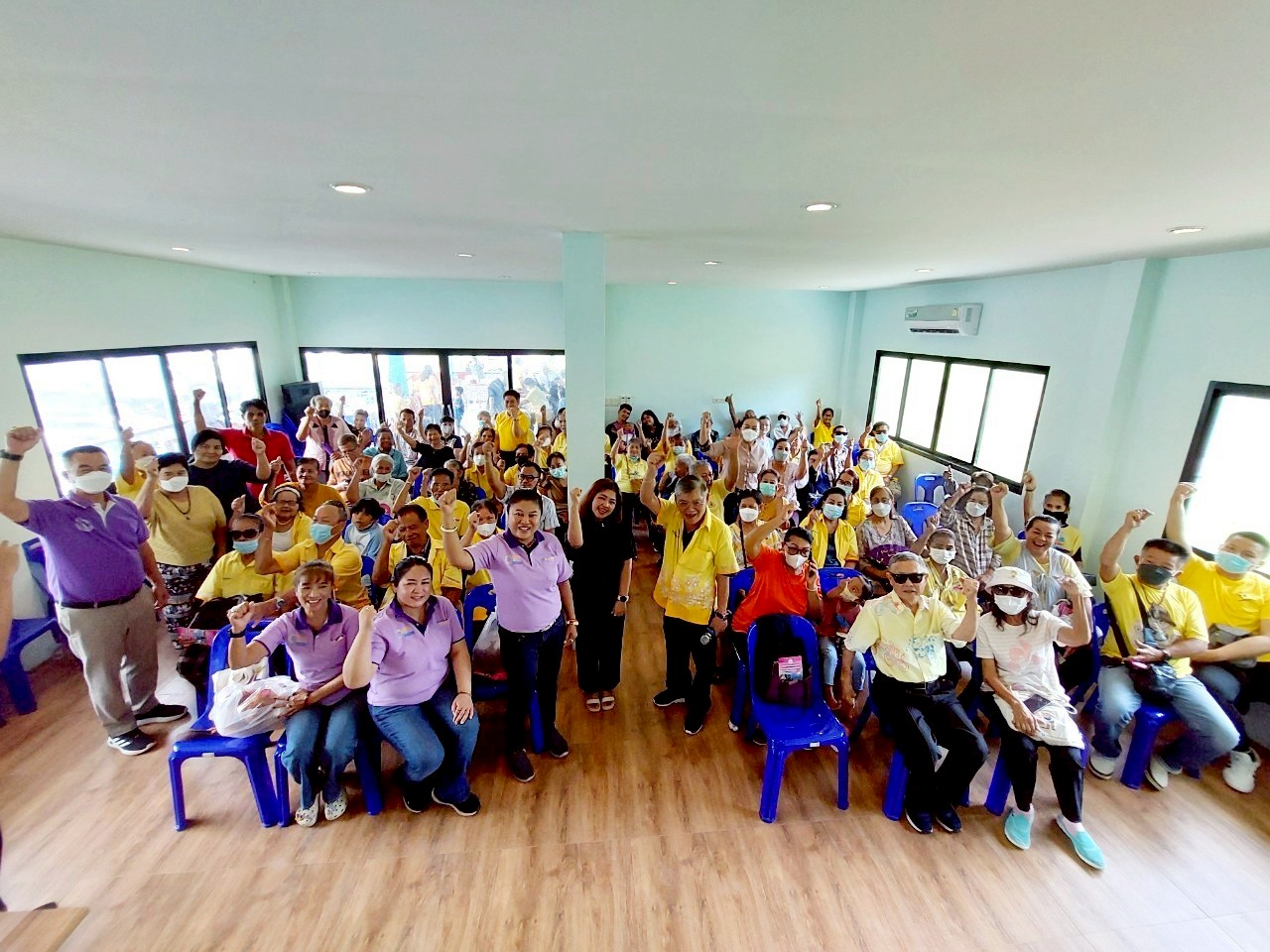
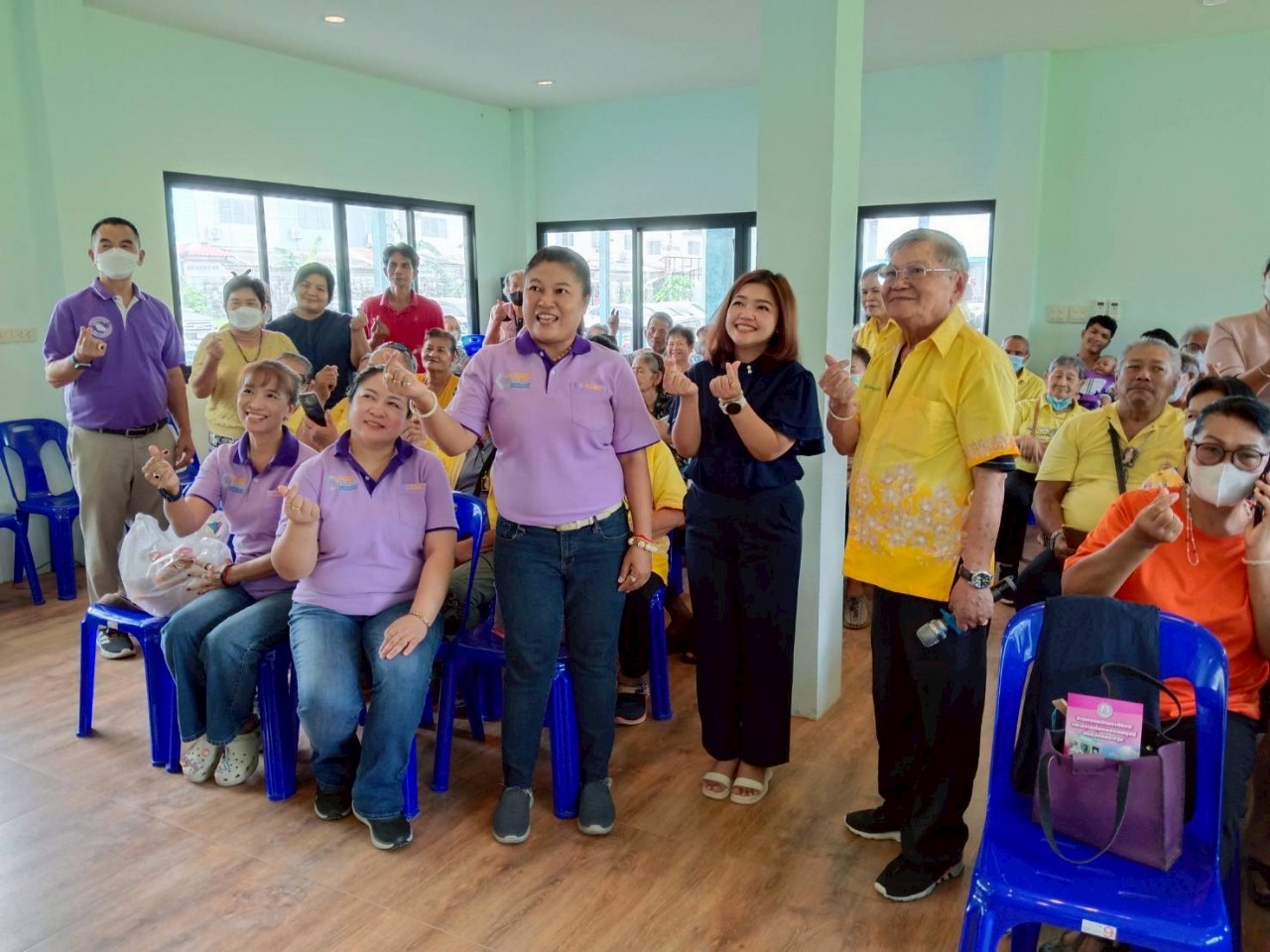
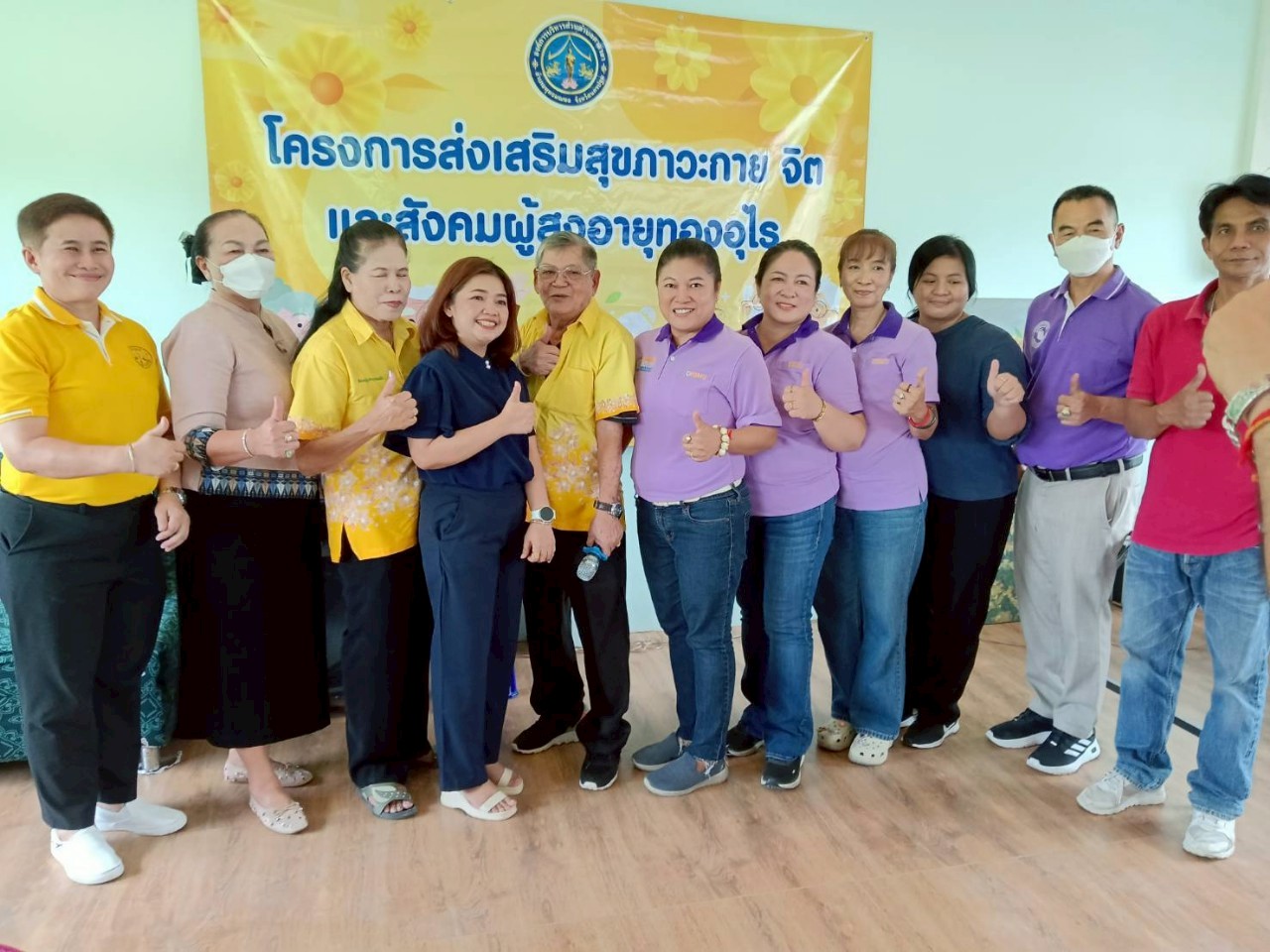
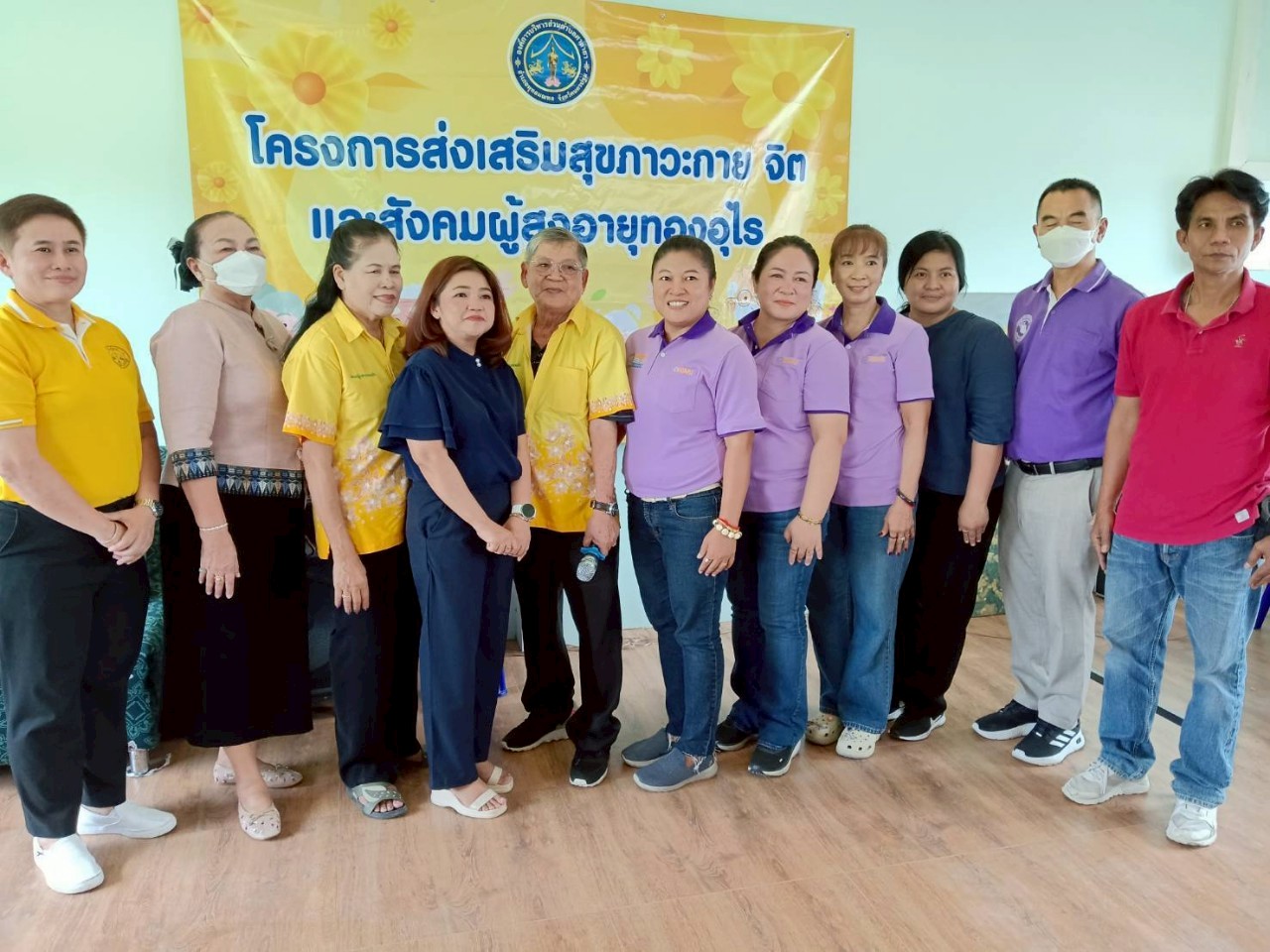
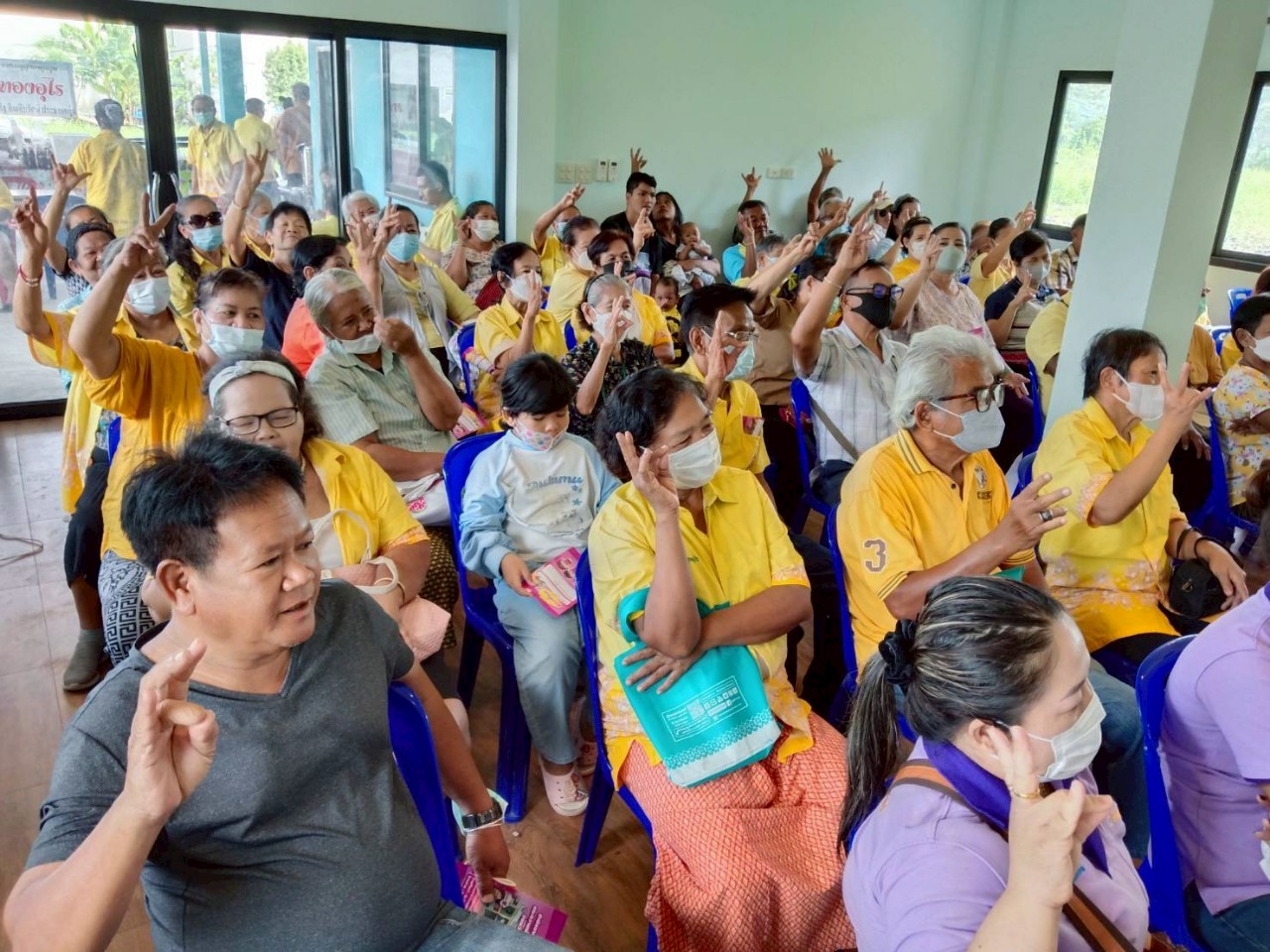
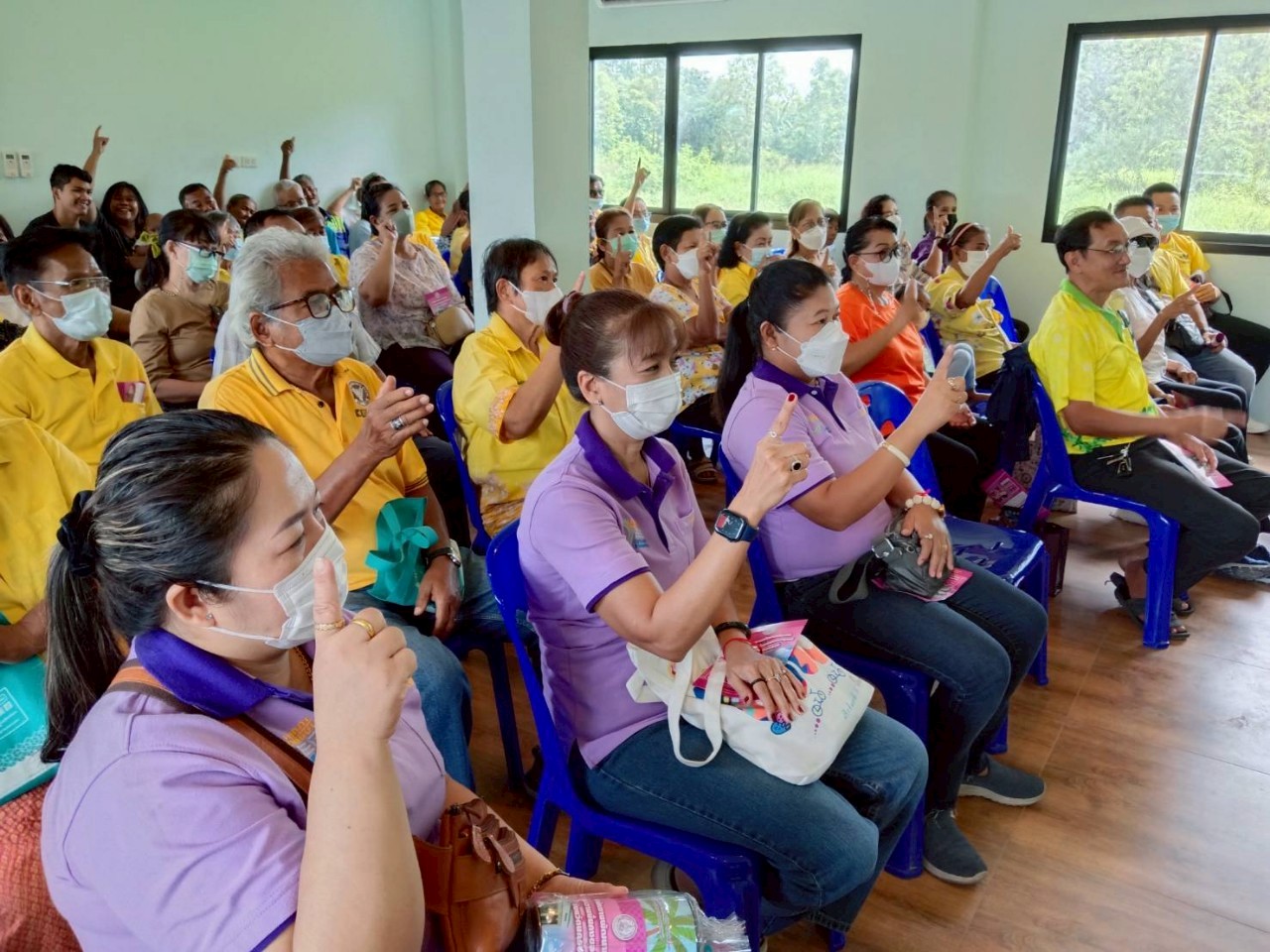
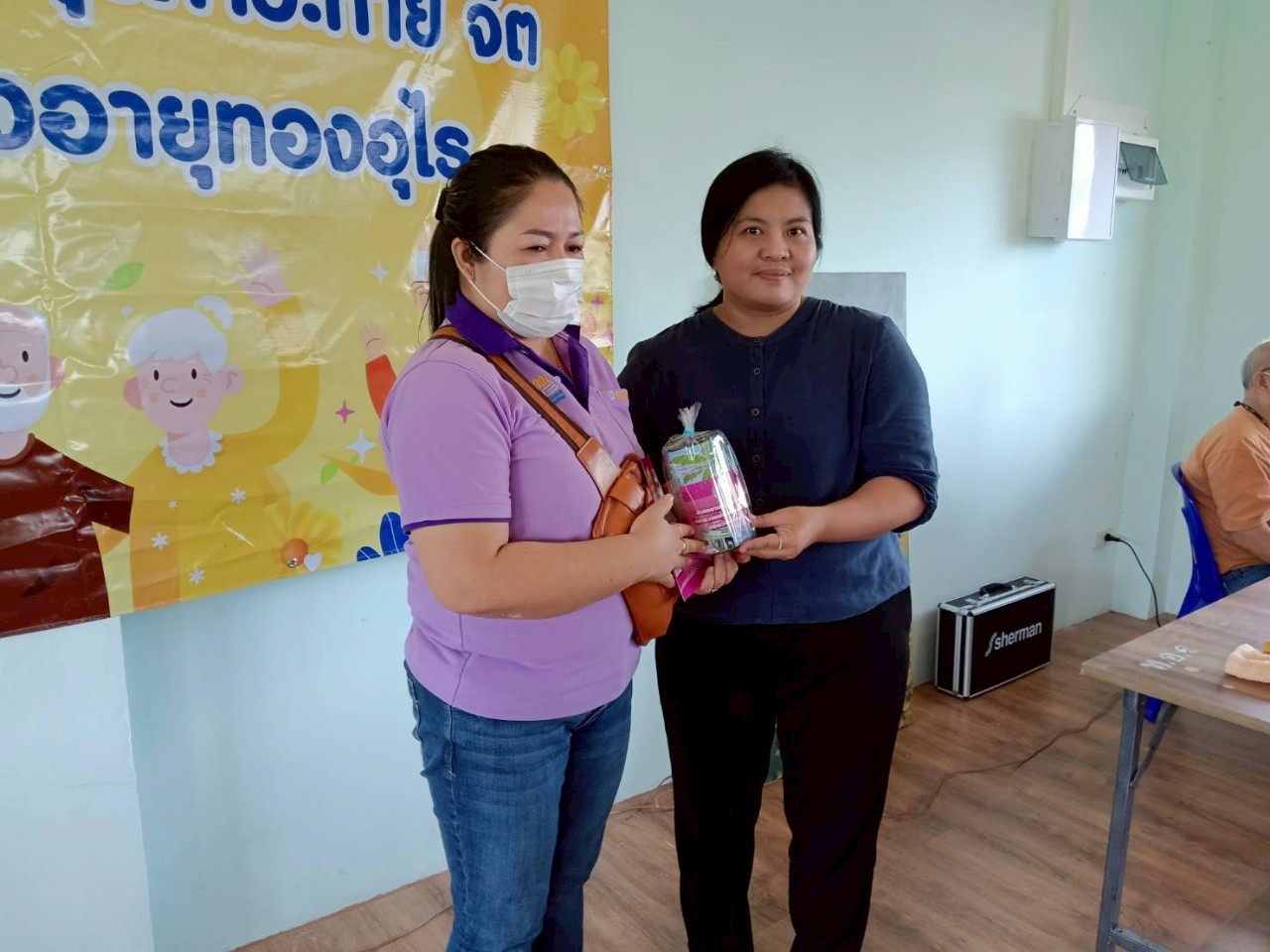
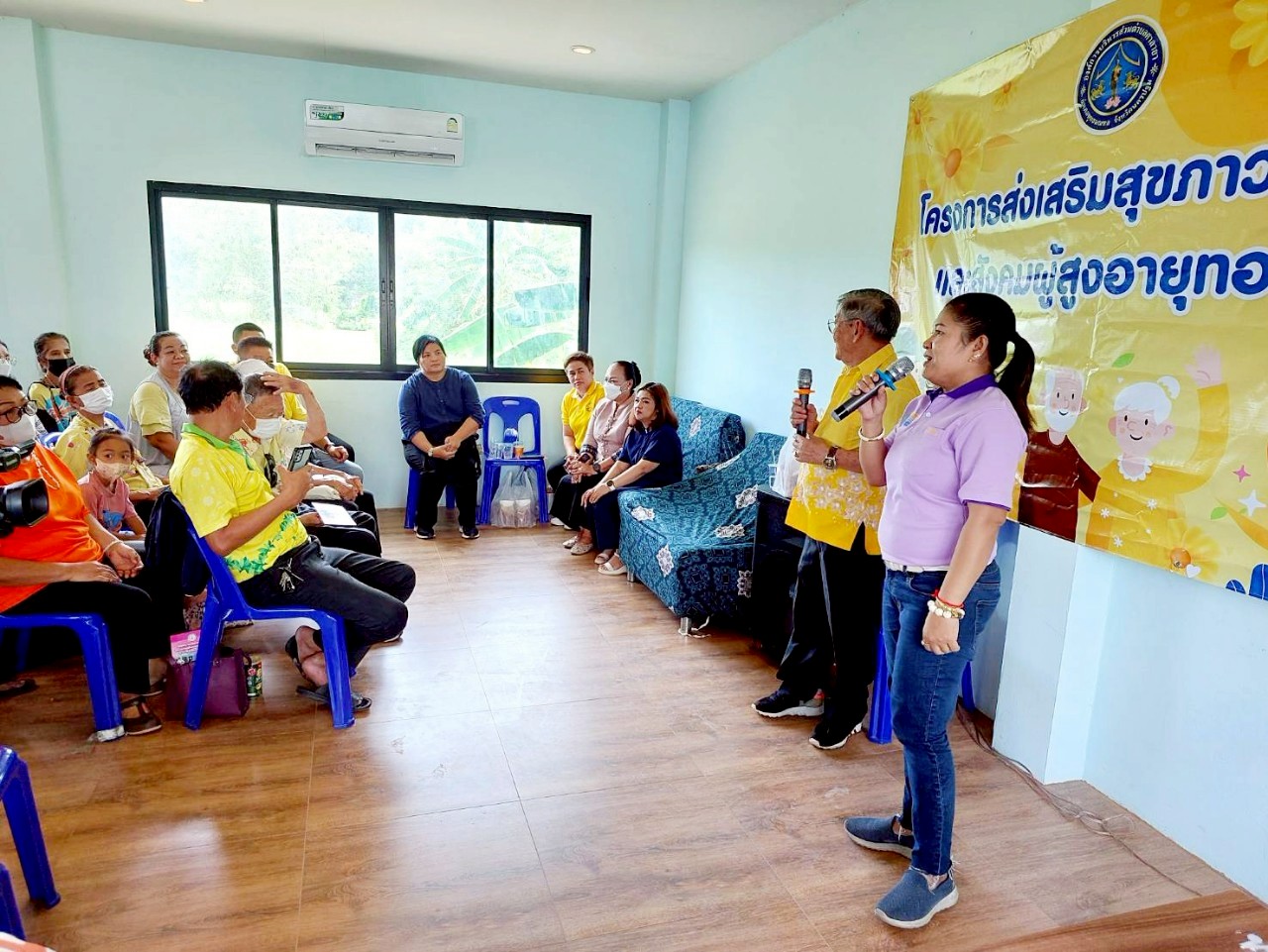
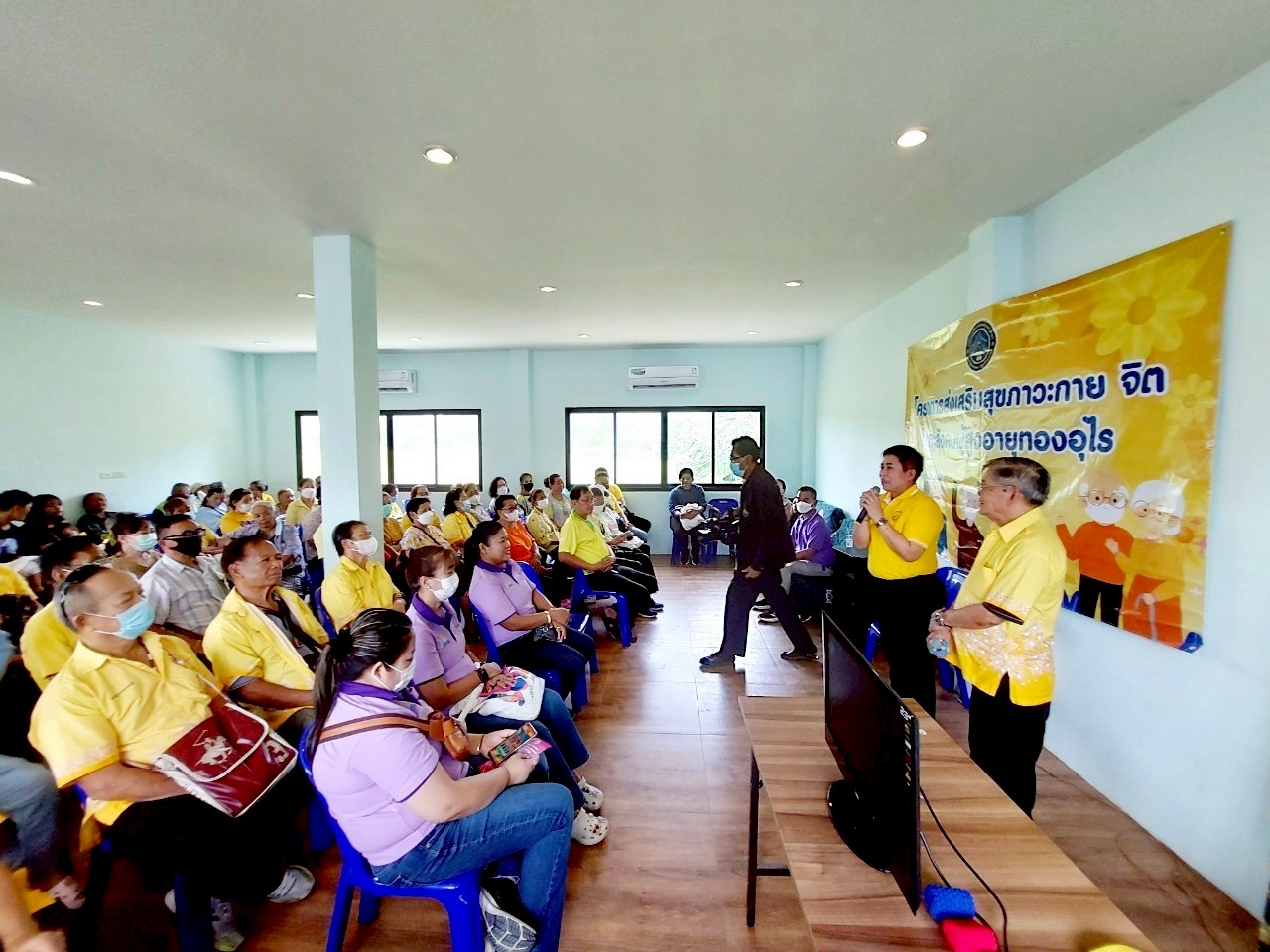
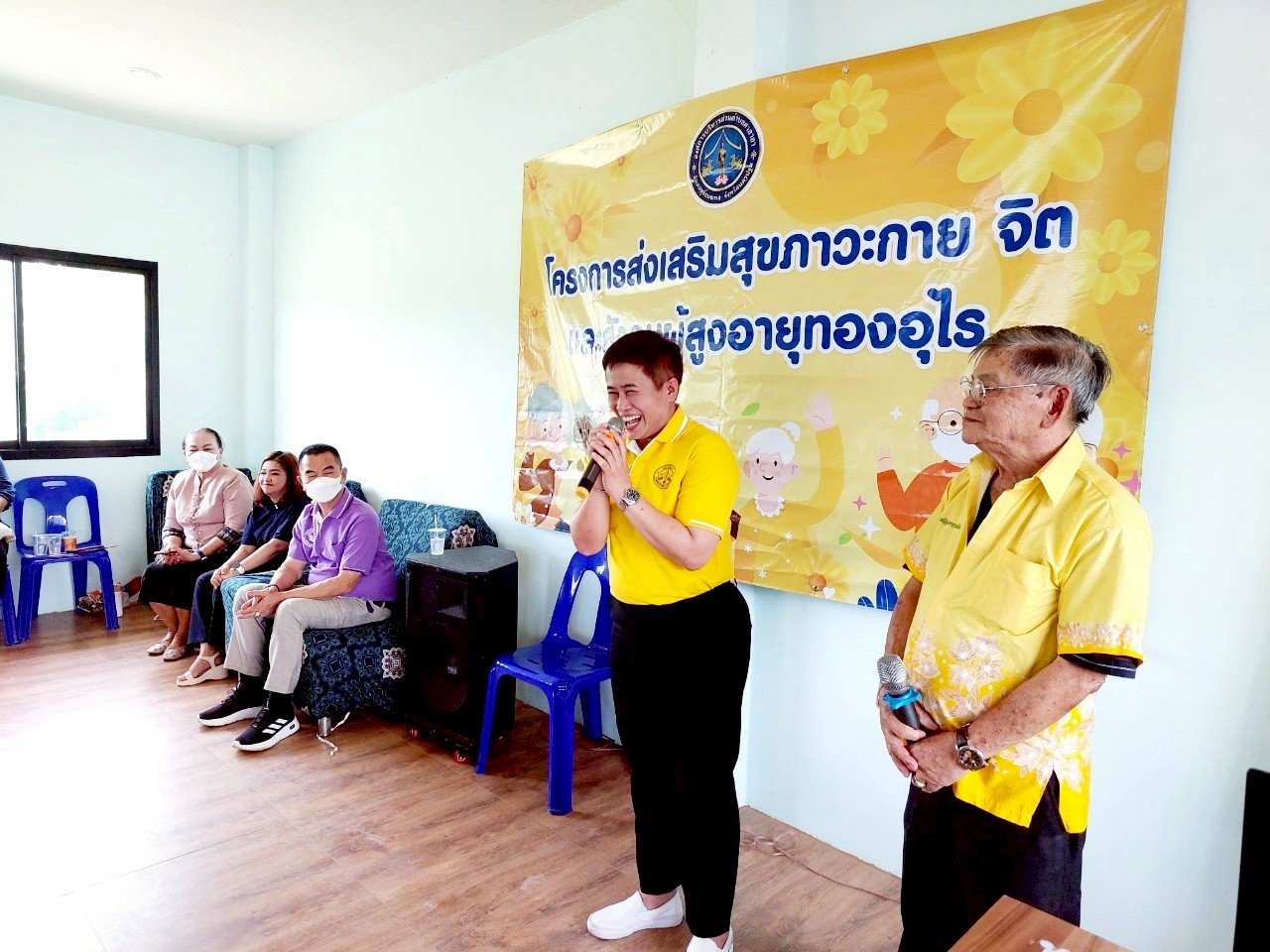
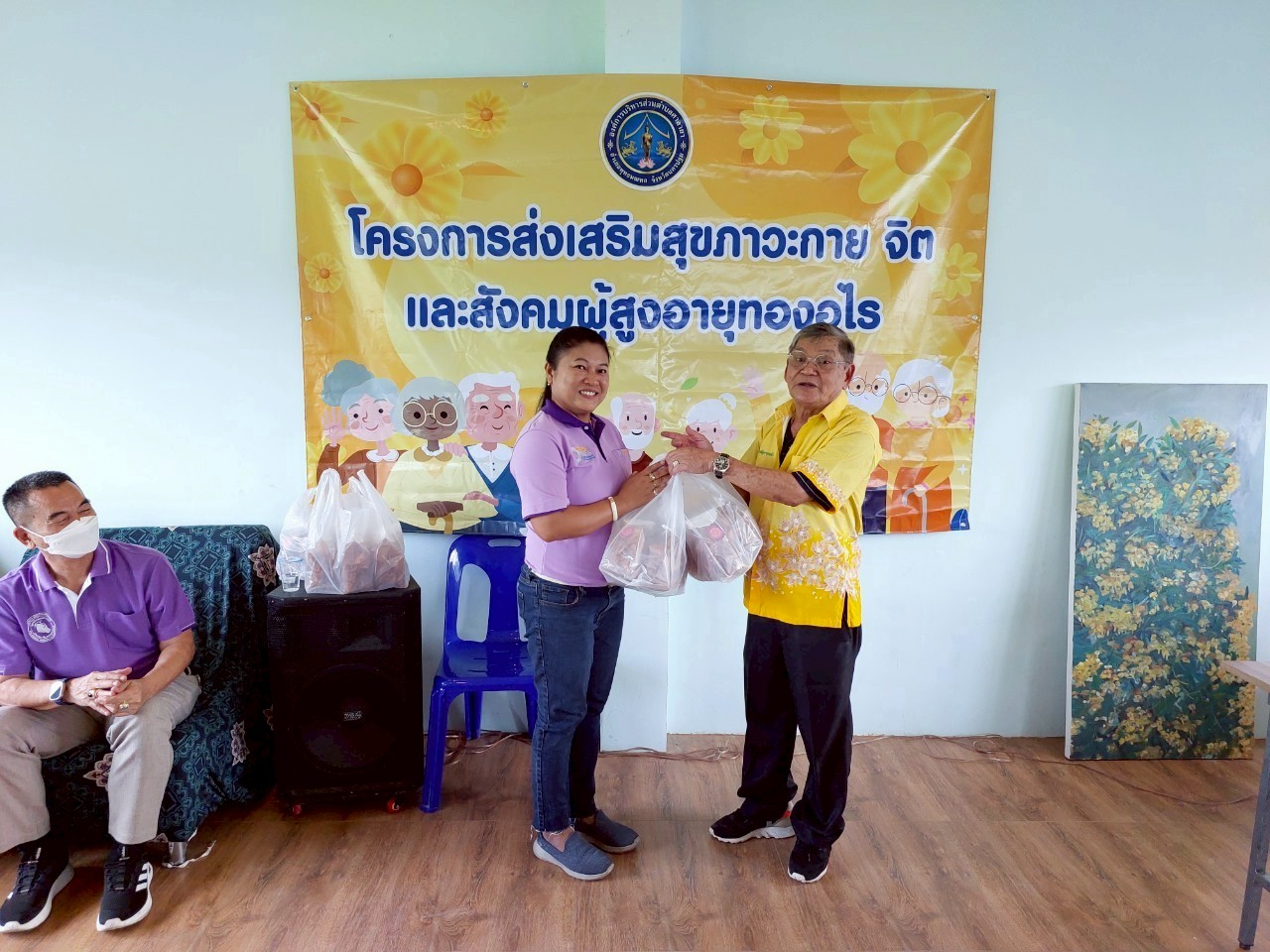
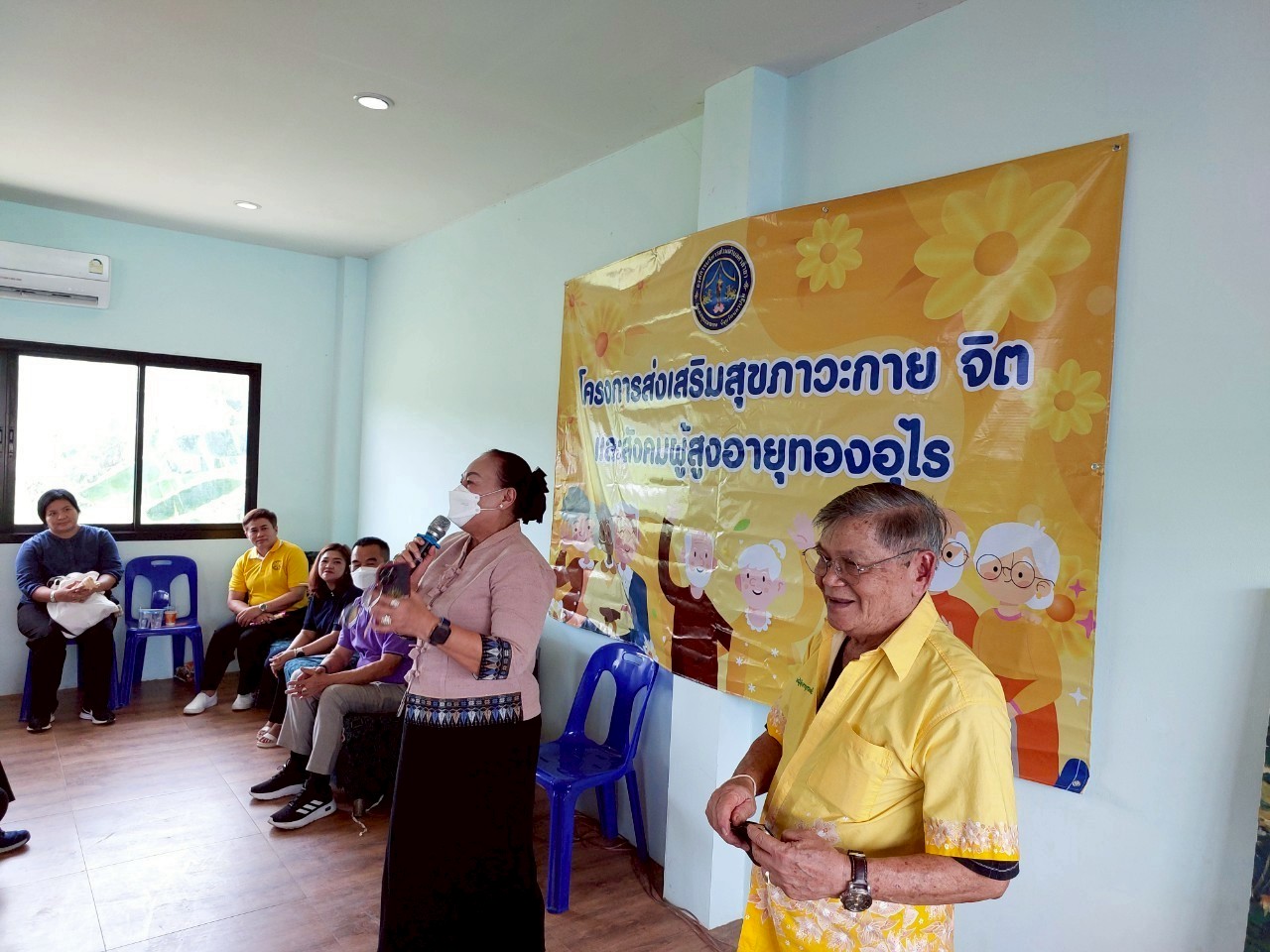
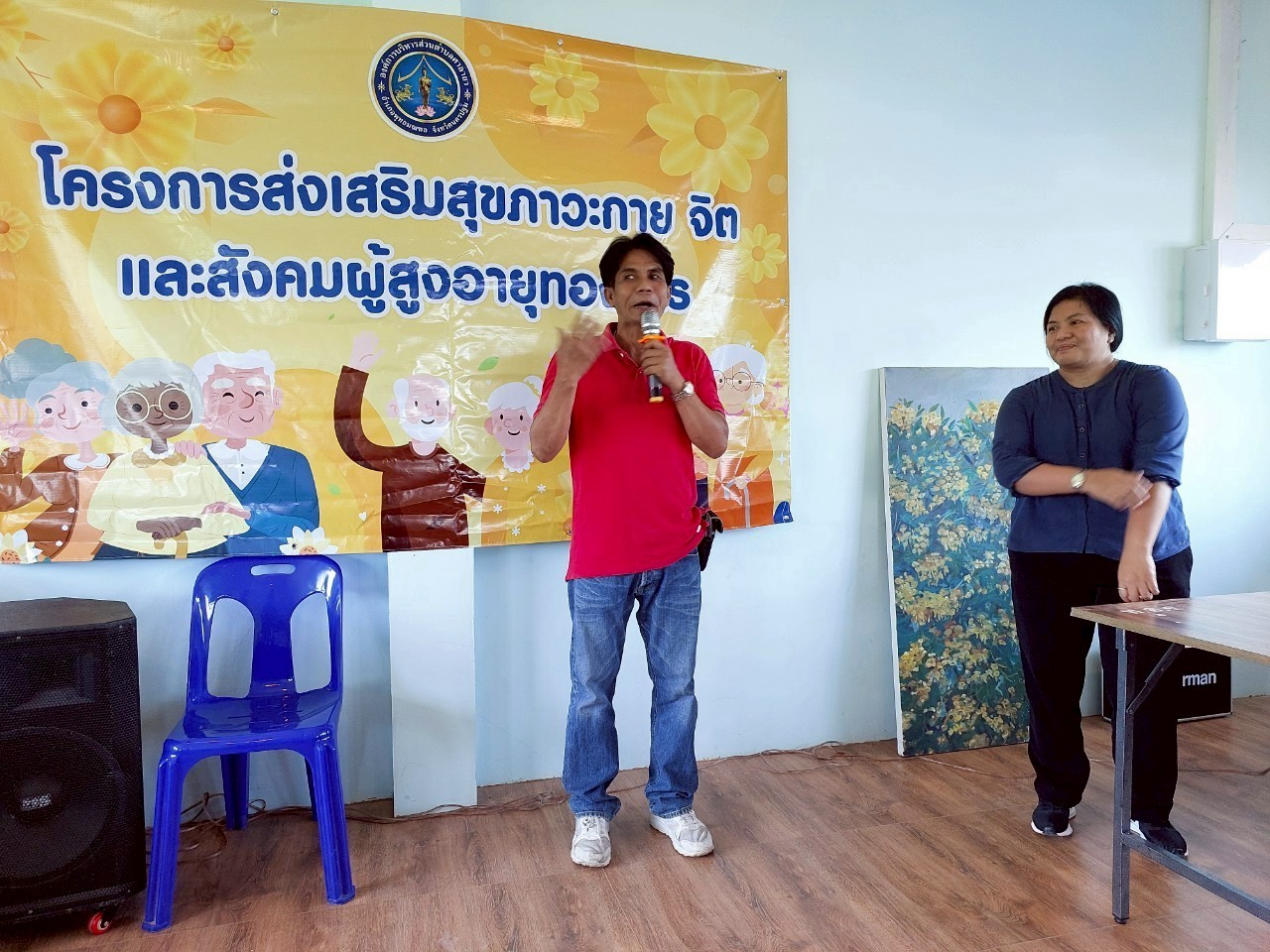
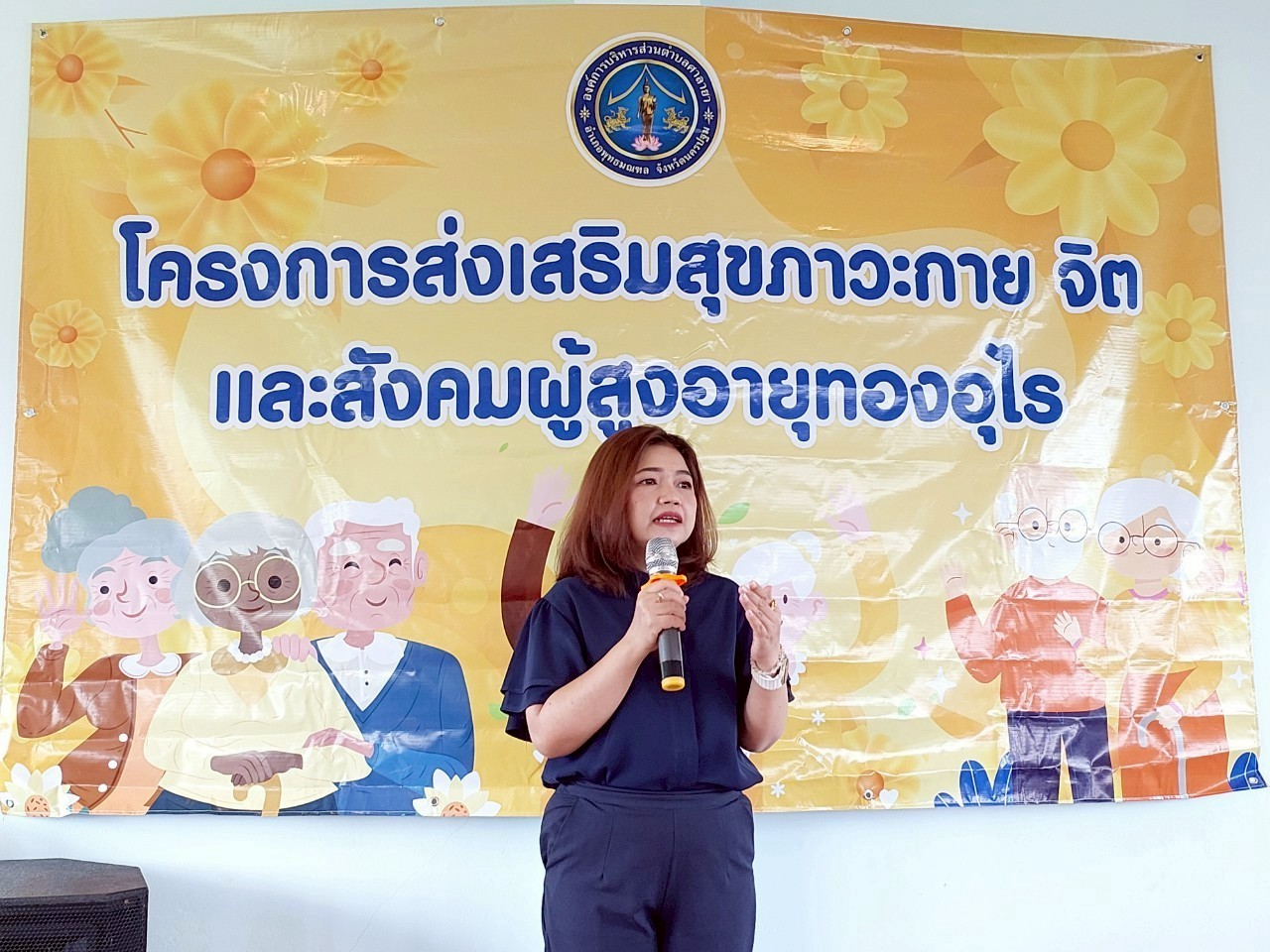
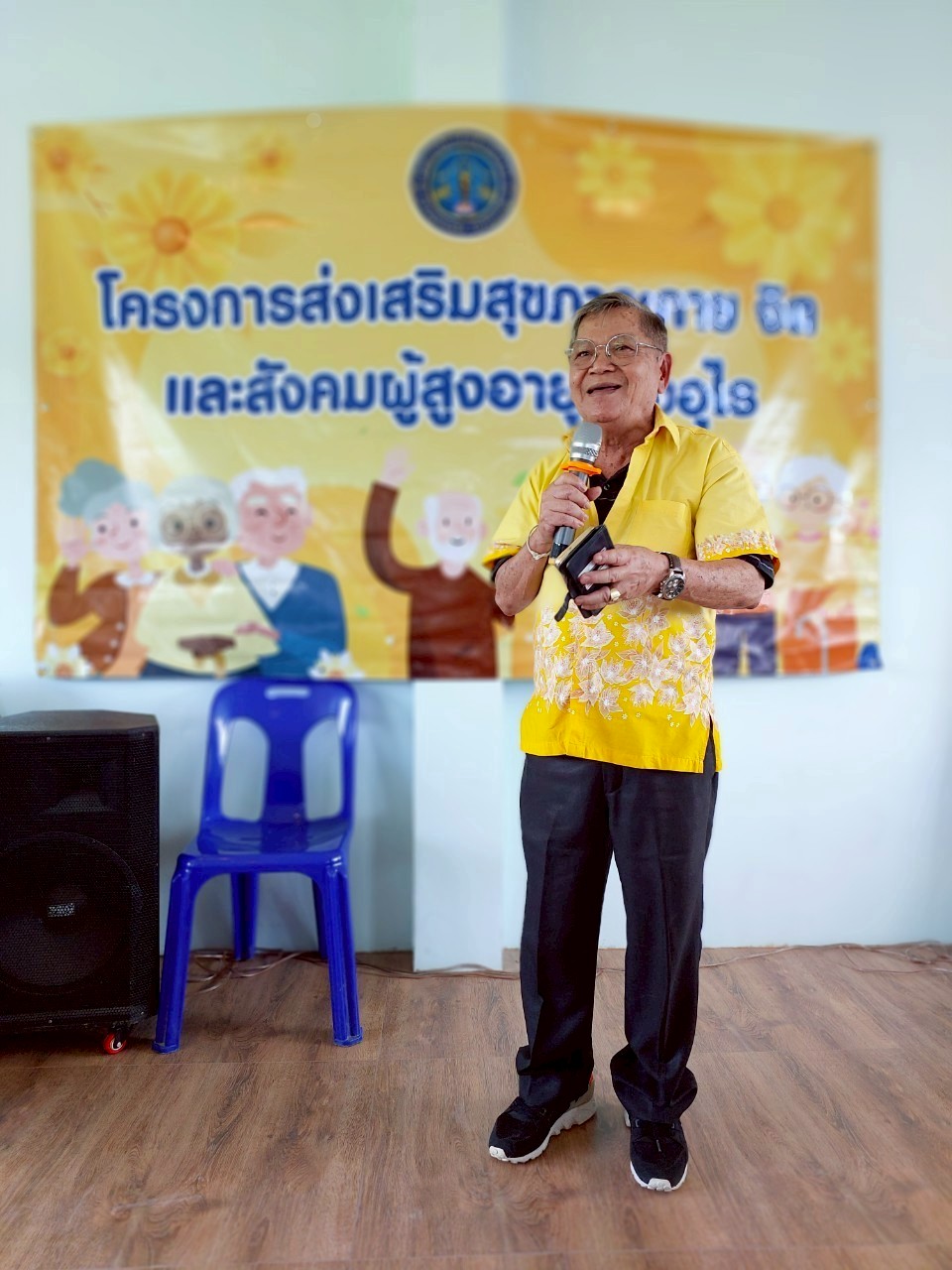
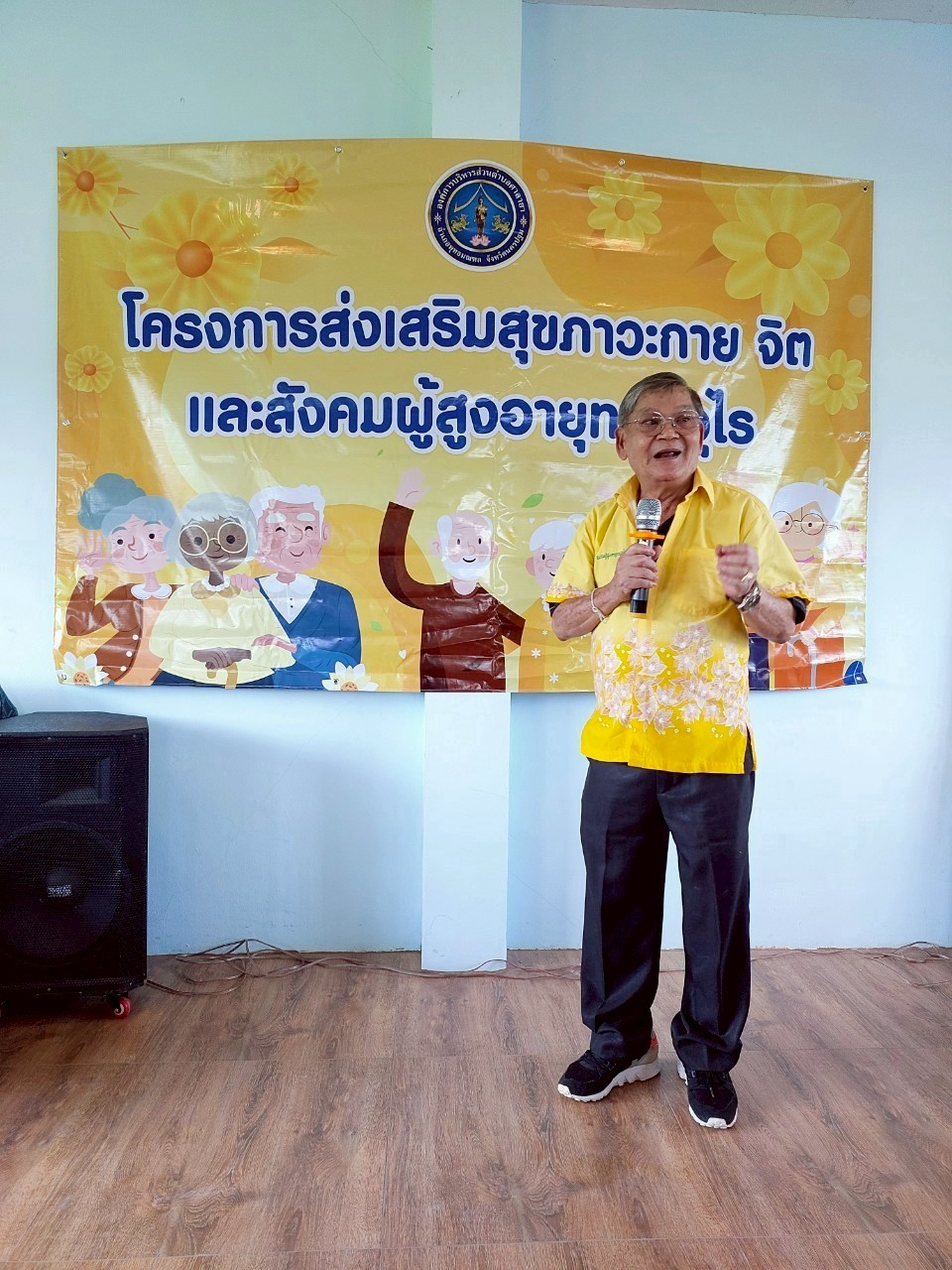
On May 24, 2025, the Engineering for Social Responsibility Unit of the Faculty of Engineering, Mahidol University, led by Associate Professor Dr. Benchaporn Lertanantawong, Deputy Dean for Research and Academic Services, attended a meeting to plan installation of the Sufficiency Economy Center using modern technology in collaboration with the Thong U-rai Elderly Club, Salaya Subdistrict.
Members of the Department of Biomedical Engineering and the Department of Electrical Engineering attended the meeting. Also at the event were Mr. Praseart Im-eabrat, President of the Thongurai Elderly Club, Salaya, Mrs. Kittiya Saisaaad, Director of the Office of Social Development and Human Security, Nakhon Pathom Province, Ms. Thipawan Kham-ard, Mayor of Salaya Subdistrict Administrative Organization, and Dr. Wiranyupa Na Songkhla, President of the Luang Ta Noi Foundation, at the Thongurai Elderly Club, Salaya.
The Sufficiency Economy Center will be built based on the concept of designing an area according to the philosophy of the sufficiency economy of King Rama IX. This has been further developed by the cultivation of crops in limited areas, storing water both above and below ground, while still being able to create clear benefits.
The Electricity Generating Authority of Thailand (EGAT) established study and development centers based on the philosophy of the sufficiency economy in the area of 7 Royal dams and 3 power plants: Bhumibol Dam in Tak Province, Sirikit Dam in Uttaradit Province, Vajiralongkorn Dam and Srinakarin Dam in Kanchanaburi Province, Sirindhorn Dam in Ubon Ratchathani Province, Chulabhorn Dam in Chaiyaphum Province and Ubonrat Dam in Khon Kaen Province, Mae Moh Power Plant in Lampang Province, Bang Pakong Power Plant in Chachoengsao Province, and Wang Noi Power Plant in Phra Nakhon Si Ayutthaya Province.
The Faculty of Engineering, Mahidol University continues to play a role in disseminating knowledge about new agricultural concepts by applying technology and engineering science to land allocation for water management and agricultural areas. The approach is changing the mindset to embrace organic farming: without the use of chemicals. It also creates an understanding of the application of the King's philosophy to solve economic, social and environmental problems with the community as the center.