Mahidol Engineering Strengthens Global Collaboration in Digital Health and Biodesign through Visit to Stanford University
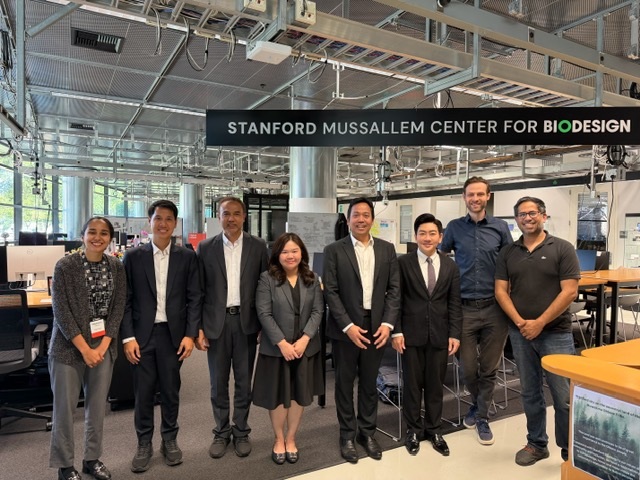
On March 20, 2026, a delegation of executives and faculty members from the Faculty of Engineering, Mahidol University, visited the Stanford Mussallem Center for Biodesign at Stanford University, USA. The delegation was led by Associate Professor Dr. Thanapat Wanichanon, Dean of the Faculty of Engineering, along with Assistant Professor Dr. Pattaraporn Posoknistakul, Deputy Dean for International Relations and Corporate Communication. They were joined by Assistant Professor Dr. Narit Hnoohom, Assistant to the President for Information Technology and Digital Transformation, and Professor Paisarn Muneesawang from the Department of Computer Engineering.
The visit aimed to advance strategic collaboration in research and education, with a strong focus on Digital Health. Both institutions discussed opportunities to promote student and staff mobility, fostering international academic exchange and strengthening global partnerships.
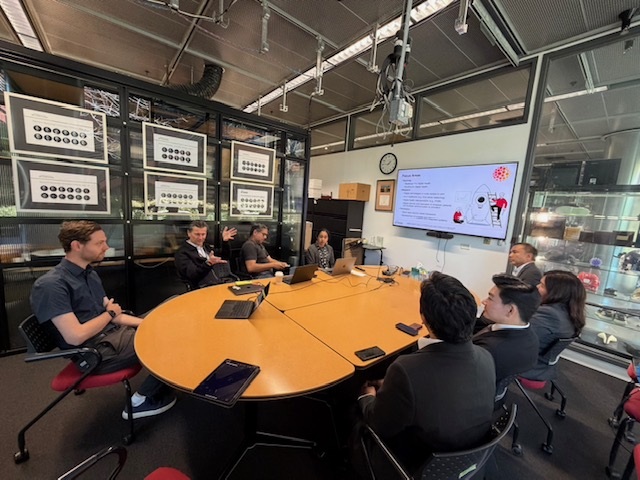
During the visit, the Mahidol delegation engaged in discussions with key representatives from the Stanford Mussallem Center for Biodesign, including Ravi Pamnani, Associate Director of Global Faculty Training; Paul Schmiedmayer, Assistant Director of Digital Health and Lead for AI; and Meghana Nerurkar, Manager of Global Programs and Courses. The meeting provided a platform to exchange perspectives and explore future collaborative initiatives in innovation and education.
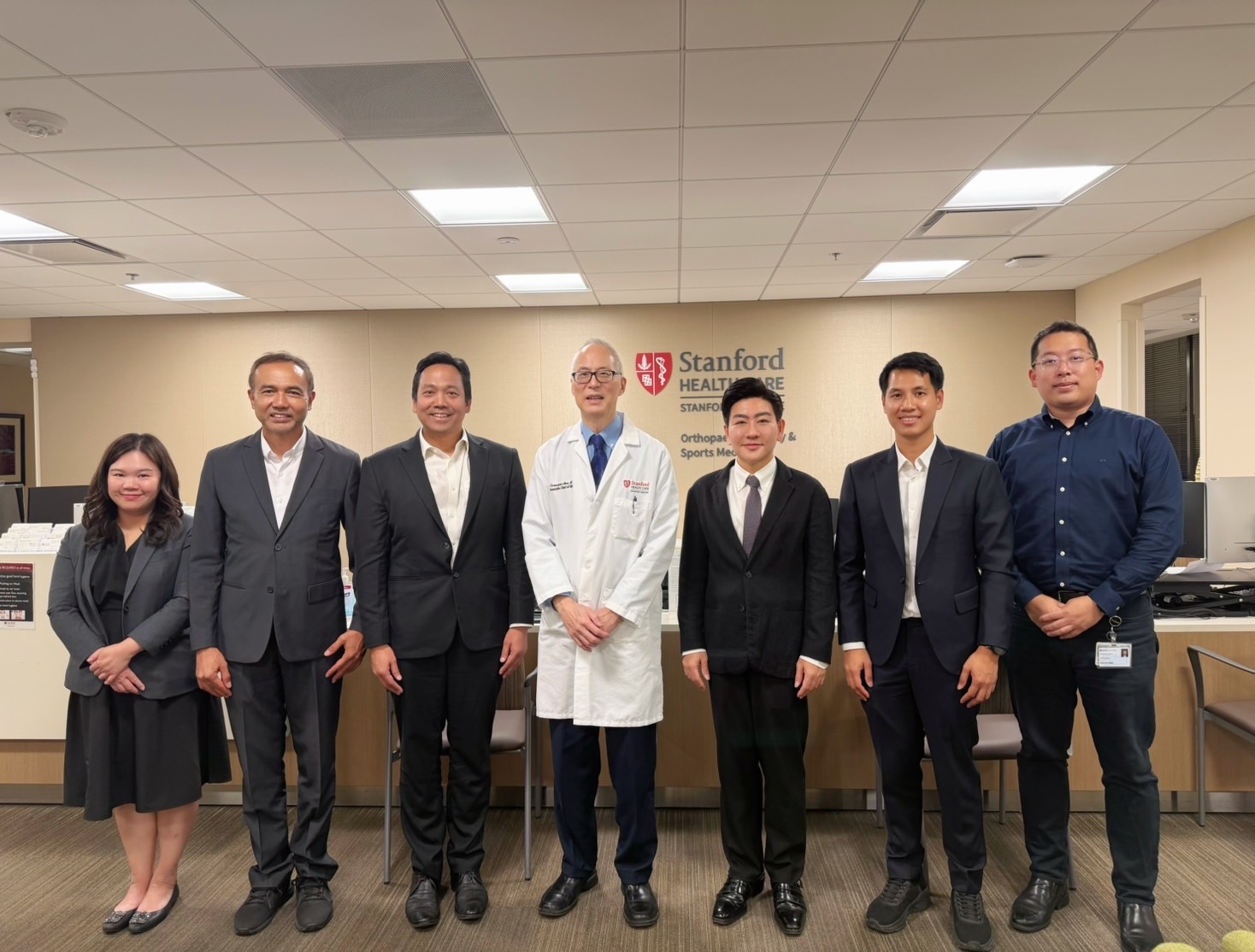
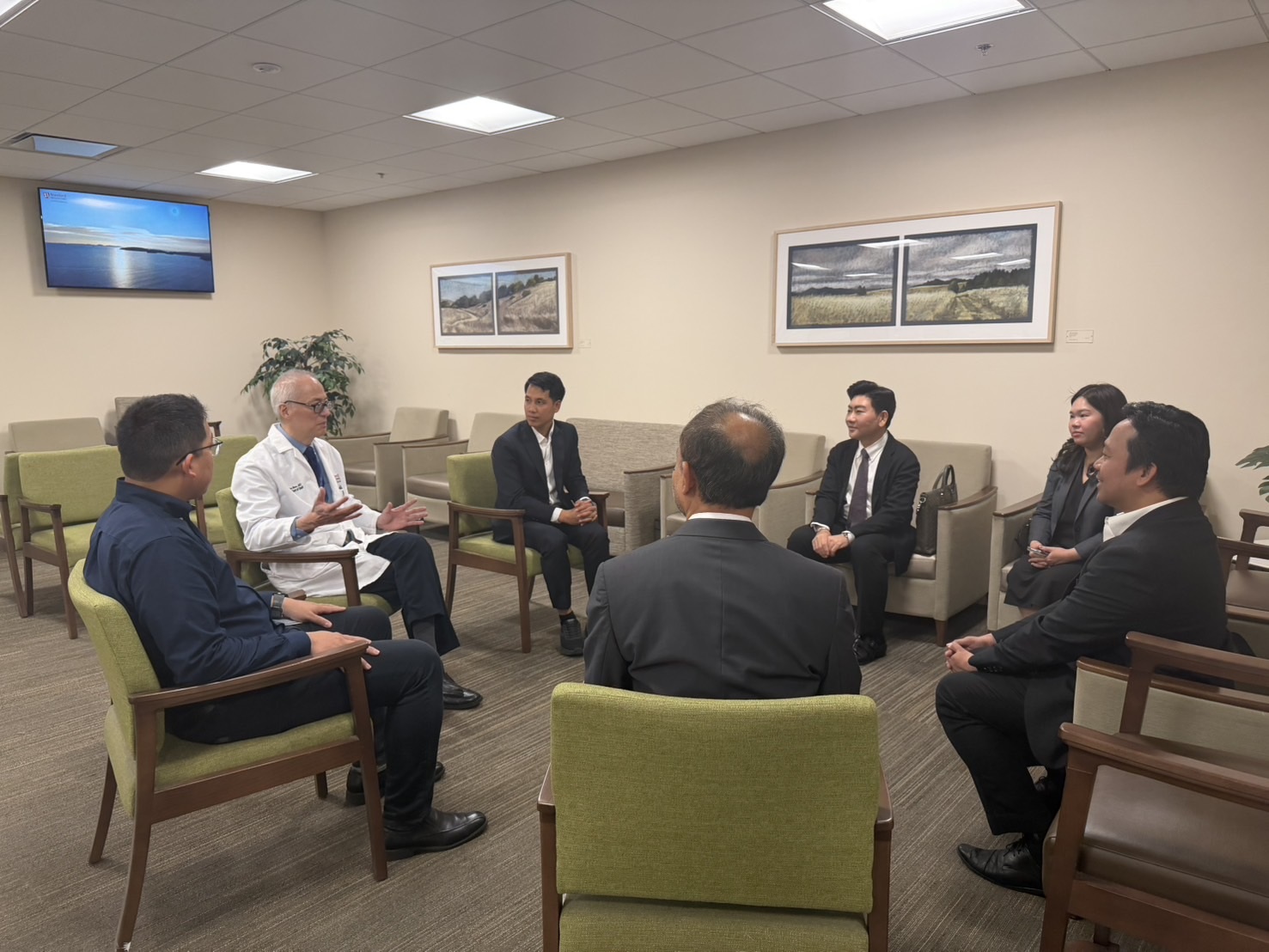
In addition, the delegation visited Stanford Medicine, one of the world’s leading medical institutions. They were welcomed by Christopher Mow, Clinical Professor in the Department of Orthopaedic Surgery at the Stanford University School of Medicine and Associate Chief of Staff at Stanford Health Care. The discussion focused on knowledge exchange and potential collaborations in medical technology and biomedical engineering at the international level.
This visit marks another significant step forward in Mahidol University’s mission to expand its global research network and build strong academic partnerships with world-renowned institutions. It is expected to enhance the capabilities of students and staff while contributing to the development of innovative solutions that address global challenges sustainably.