Mahidol Engineering Contributes to Regional Capacity Building on Plastic Waste Management through SEA-MaP Regional Training Programme in Singapore
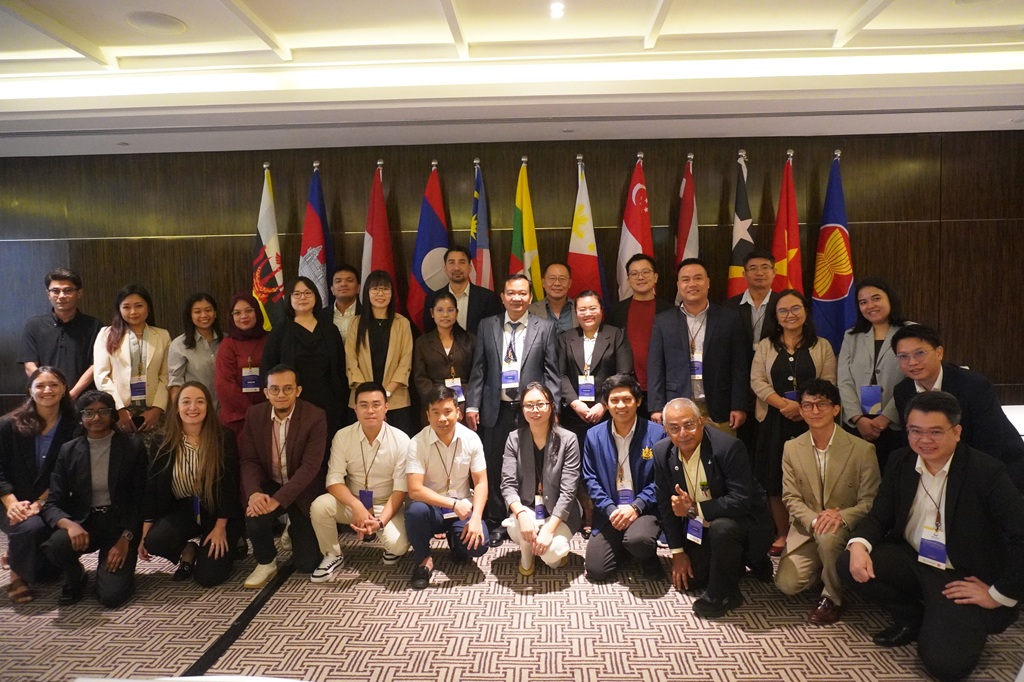
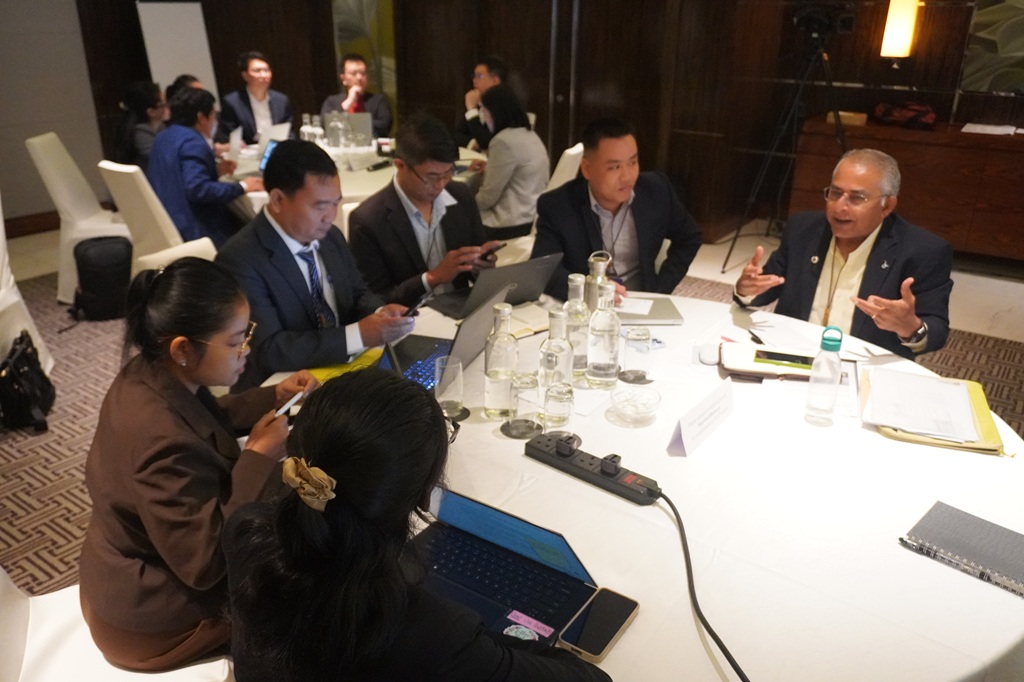
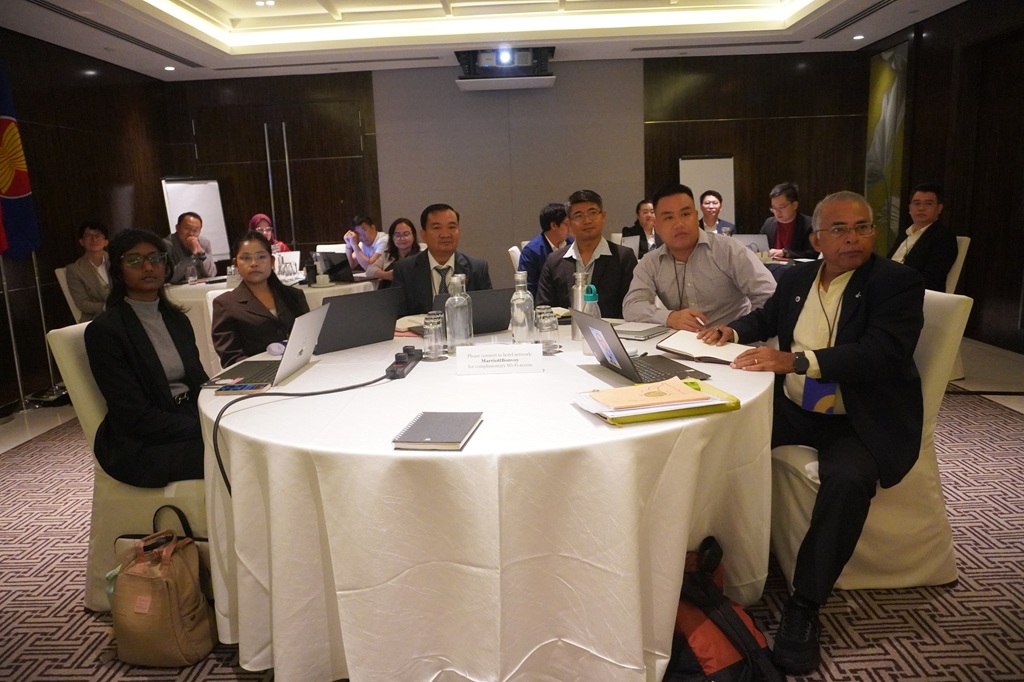
The Faculty of Engineering, Mahidol University, played a significant role in advancing regional capacity building for plastic waste management by participating in the SEA-MaP Regional Training Programme (RTP) Validation, Pilot Implementation, and Training of Trainers (ToT) Workshop. This was held on 15–16 July 2026 at The Westin Singapore, in Singapore. The workshop was conducted using a hybrid format. It brought together more than 30 representatives from ASEAN member states and stakeholders from government agencies, academic institutions, civil society organizations, the private sector, and international development organizations.
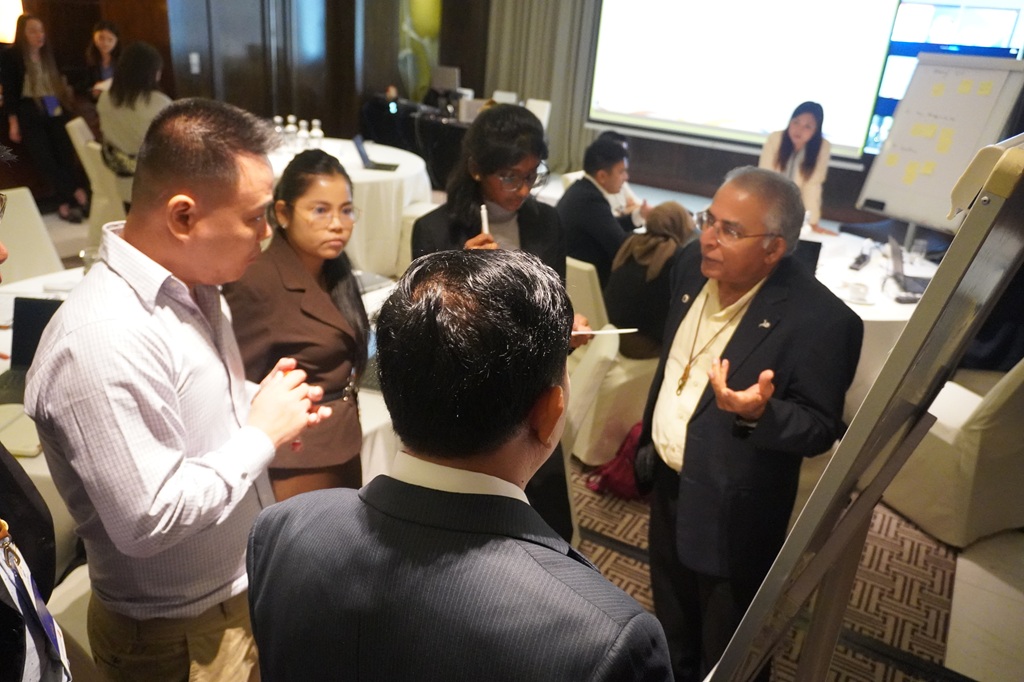
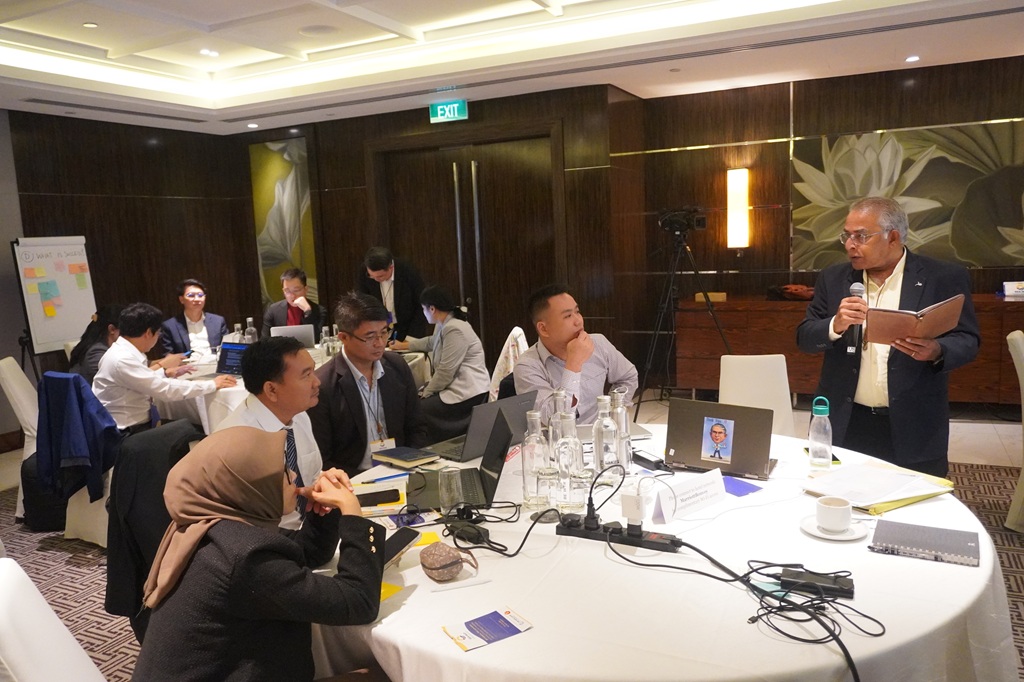
The workshop validated the suitability of the SEA-MaP Regional Training Programme curriculum on plastic waste management. It also developed effective Training of Trainers (ToT) approaches. Participants were given the opportunity to exchange ideas and feedback on curriculum content, learning methodologies, digital platform integration, as well as strategies for long-term sustainability and scalability of the programme. The first day focused on validating the curriculum and ToT framework. On the second day there were presentations of the Massive Open Online Course (MOOC) modules, hands-on testing of learning materials, and the collection of feedback from participants.
Representing Mahidol University, Professor Chettiyappan Visvanathan from the Department of Civil and Environmental Engineering, Faculty of Engineering. He actively participated in the workshop and led the pilot testing of the programme’s core training materials. His contribution highlights the commitment of Mahidol University to promoting education, strengthening human resource development, and supporting practical environmental solutions to address plastic waste challenges across the region.
Professor Chettiyappan Visvanathan also contributed to the development of three of the seven final courses under the SEA-MaP Regional Training Programme. Mahidol University served as the lead institution in developing the courses: Foundations of Plastic Waste Management, Circular Economy Approaches for Plastic Waste Management, and Applied 3Rs in Plastic Waste Management. This collaboration represents an important step toward enhancing knowledge, skills, and regional partnerships among ASEAN member states, while supporting the transition toward a circular economy and developing long-term environmental sustainability throughout the region.