Mahidol Engineering Participates in International AI and Medical Technology Conference in Beijing, China
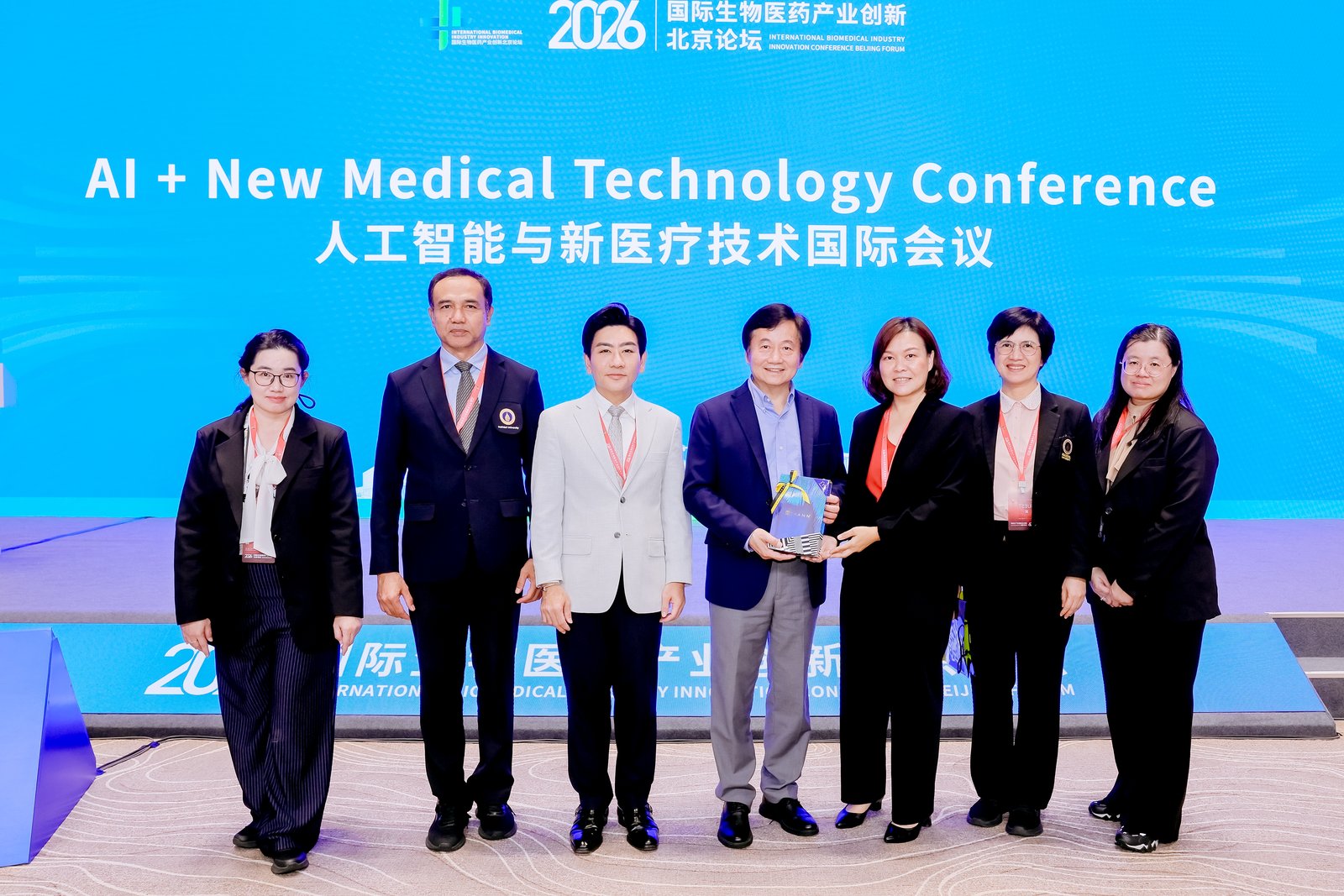
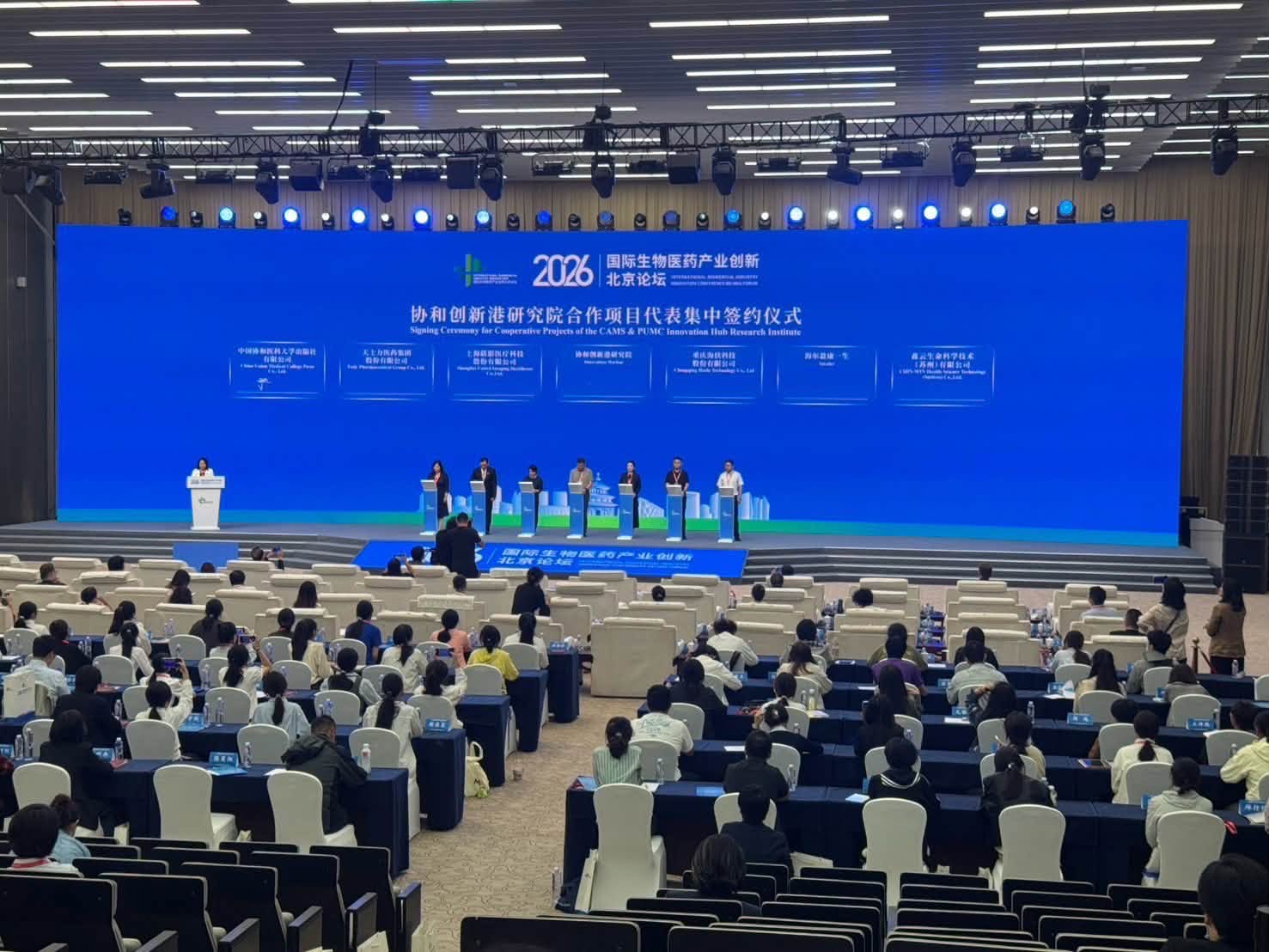
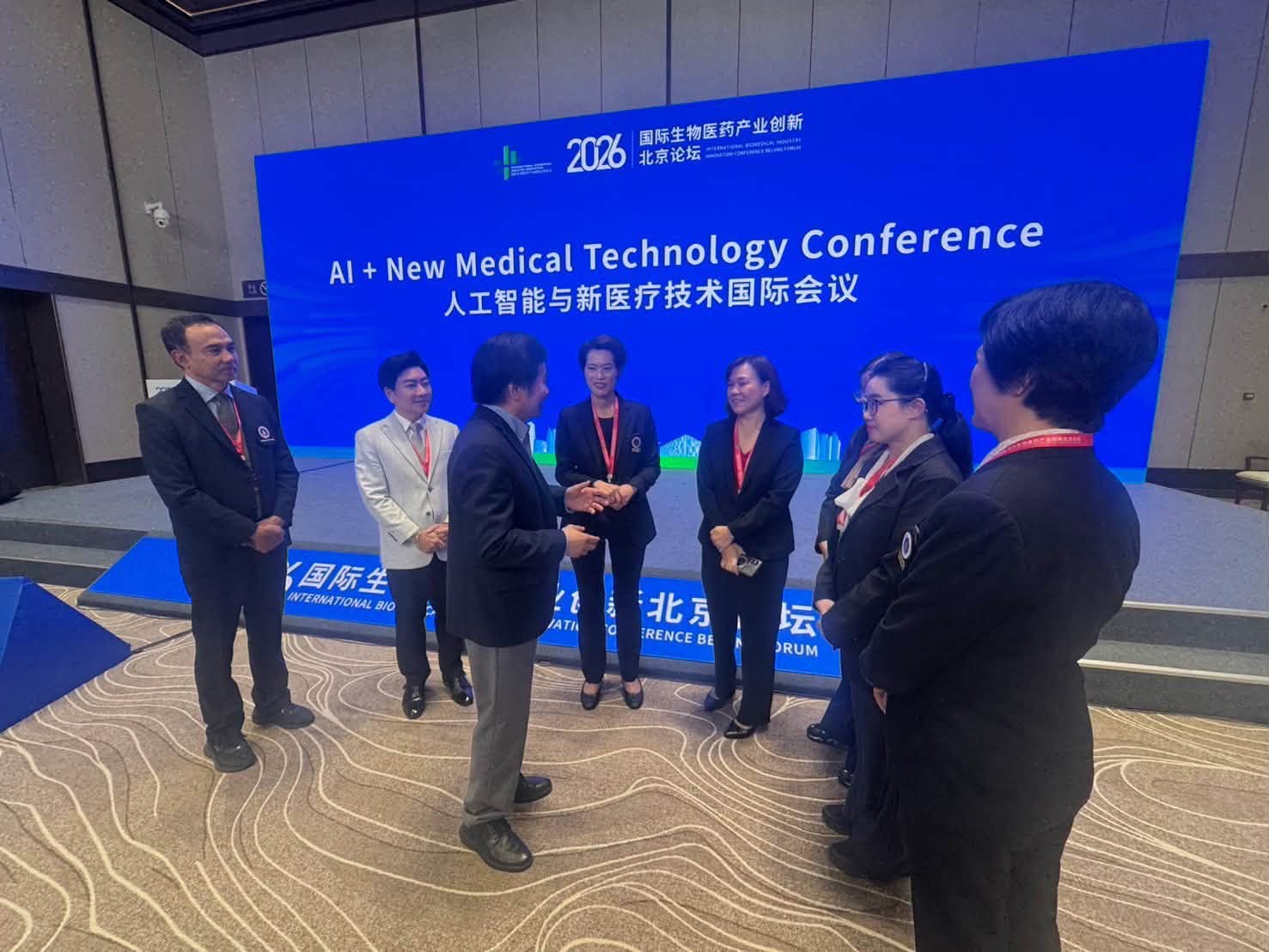
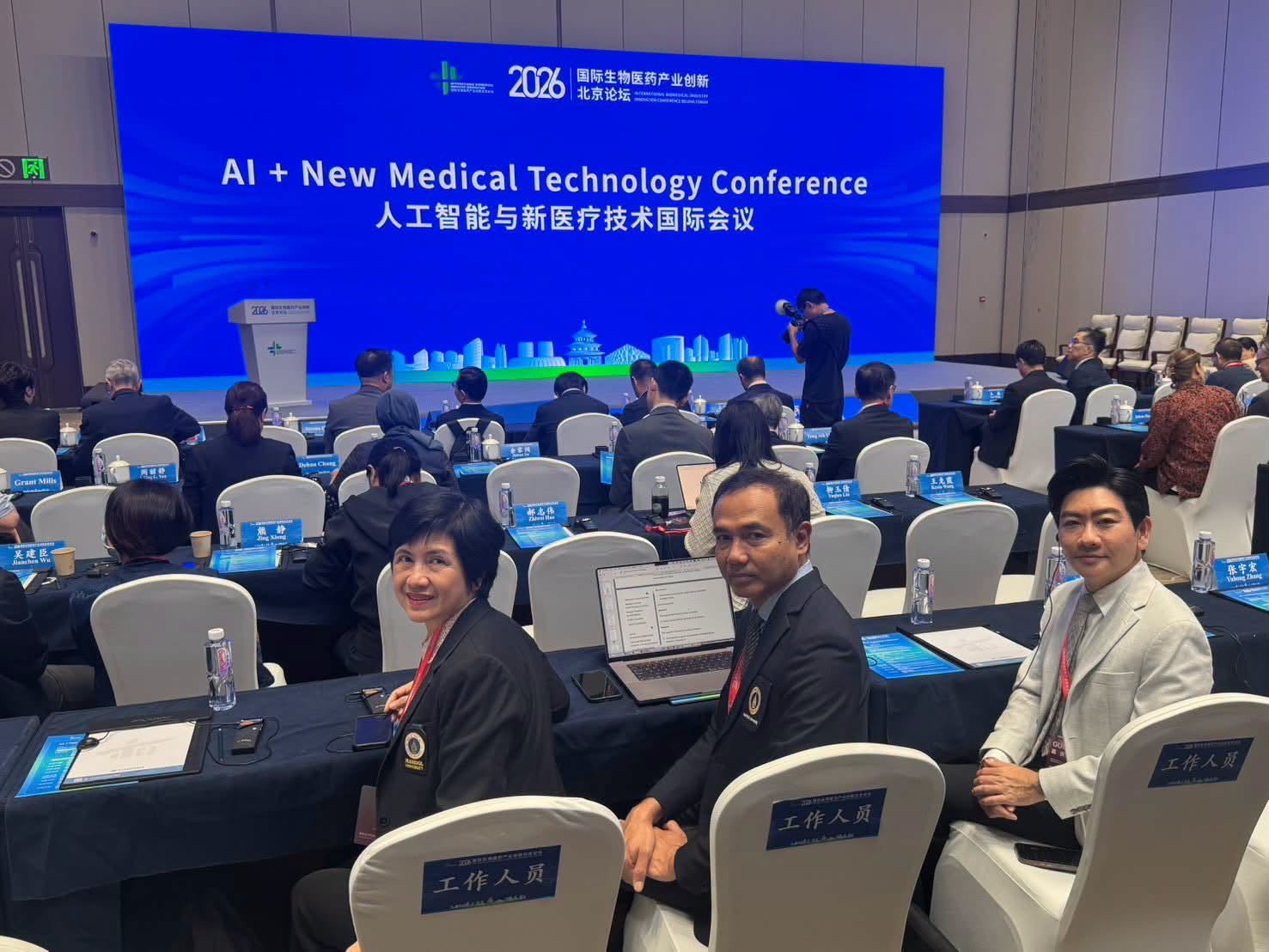
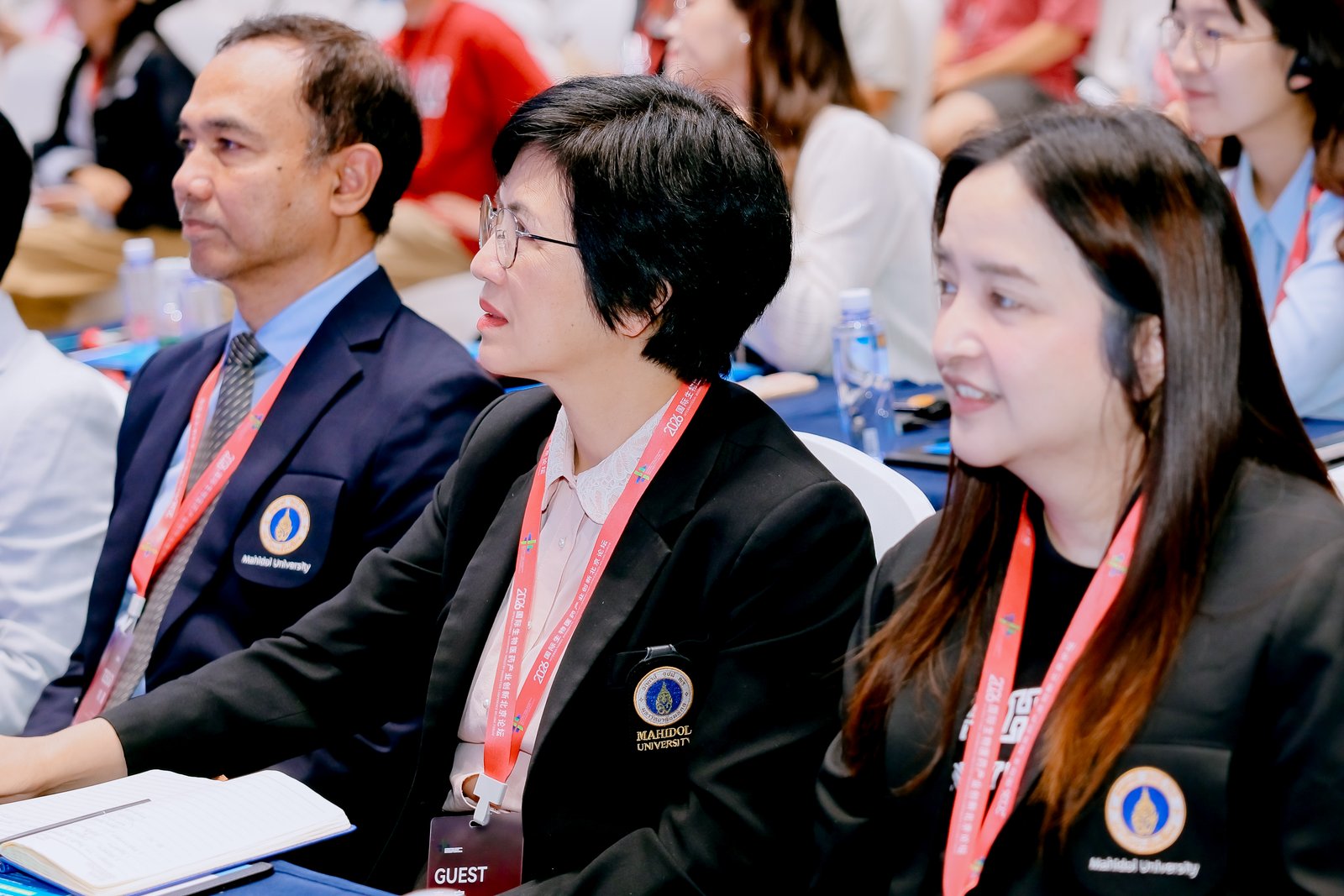
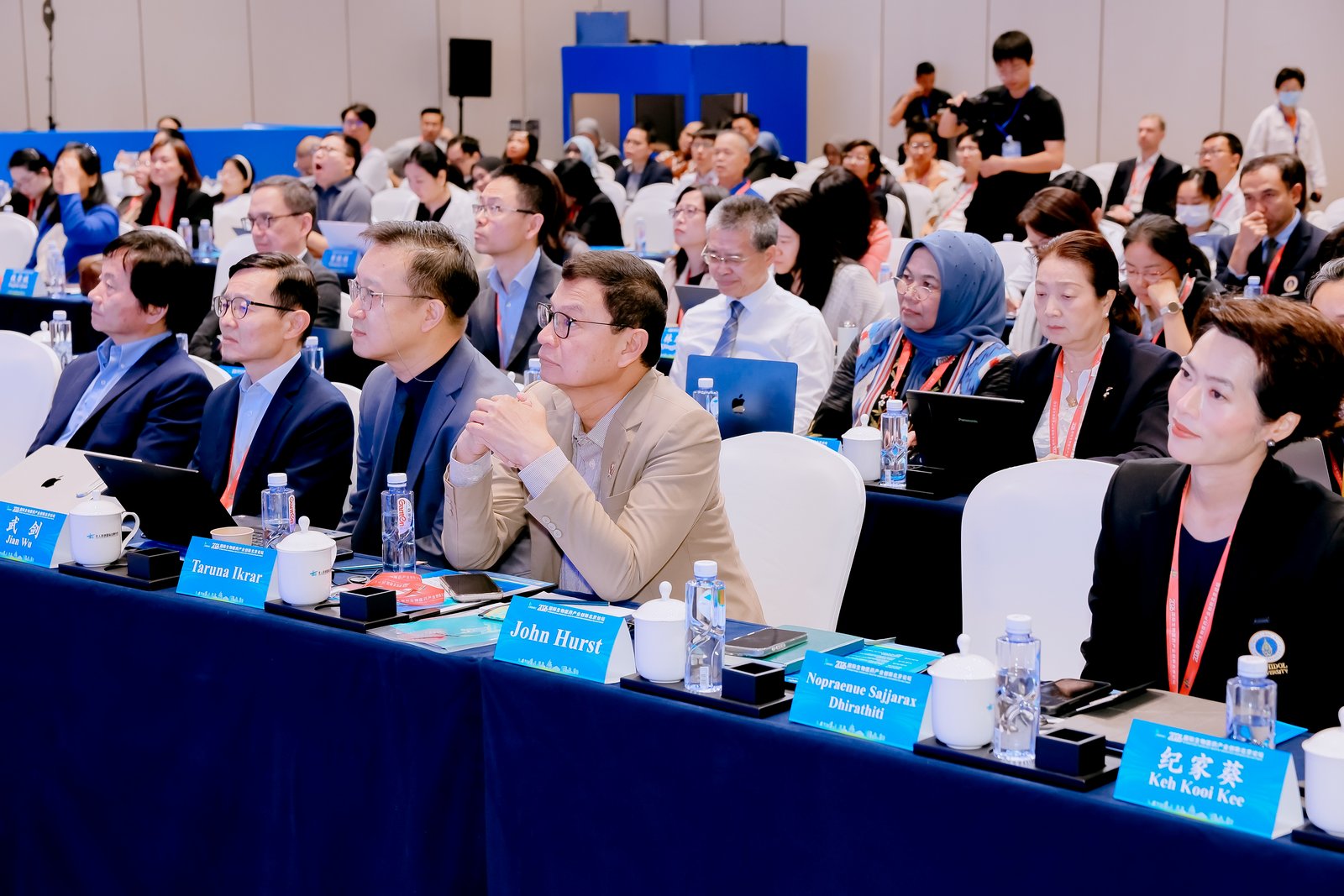
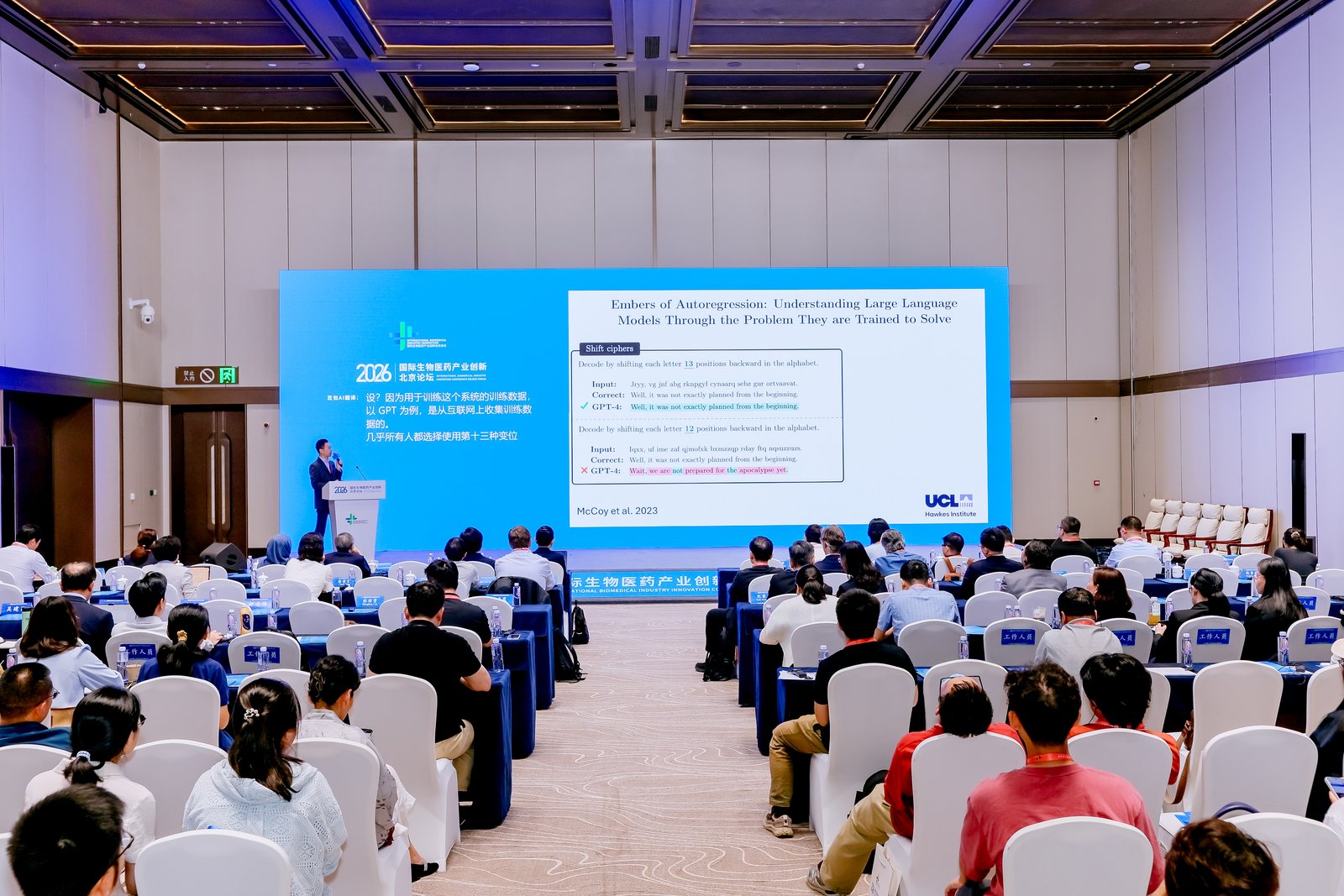
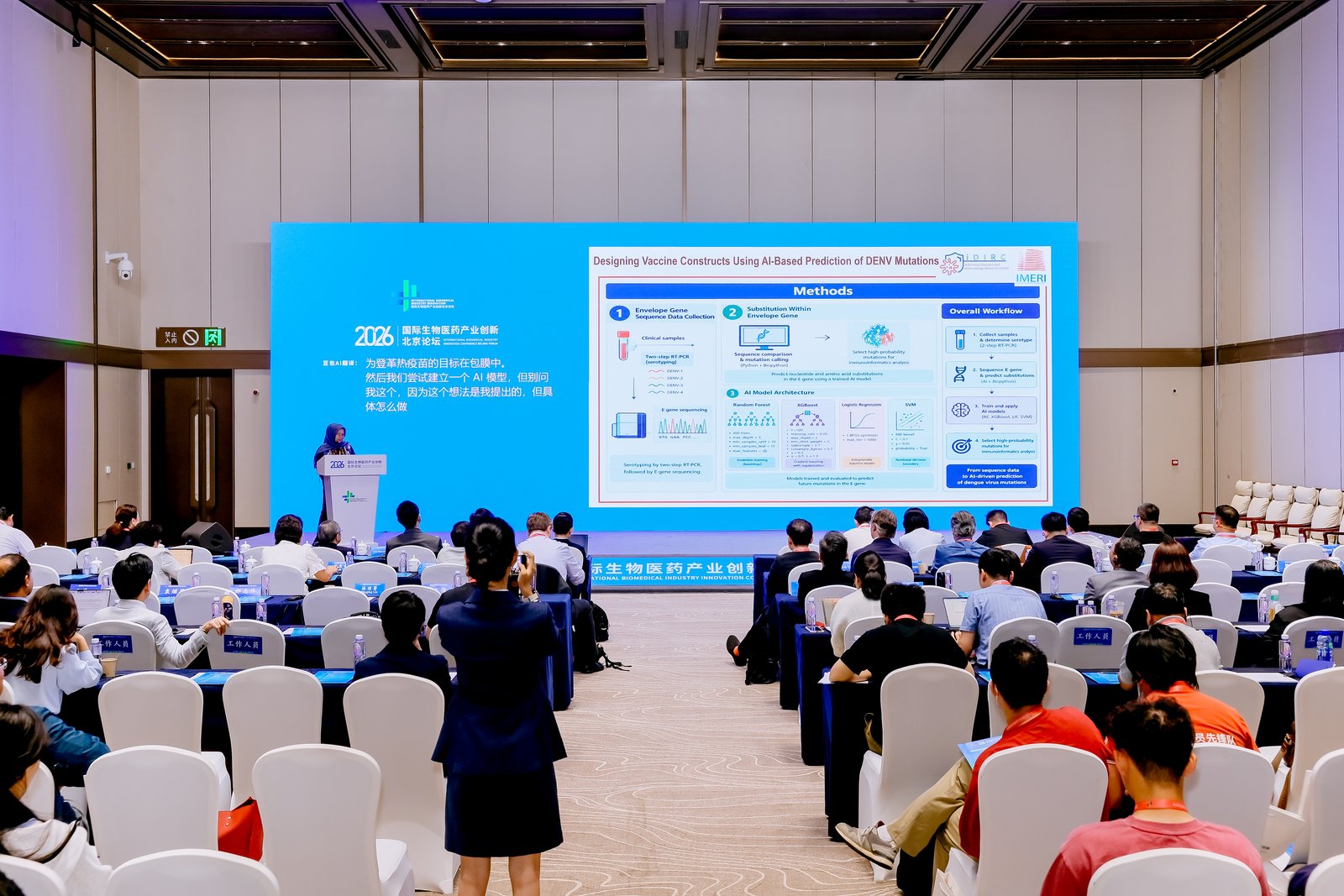
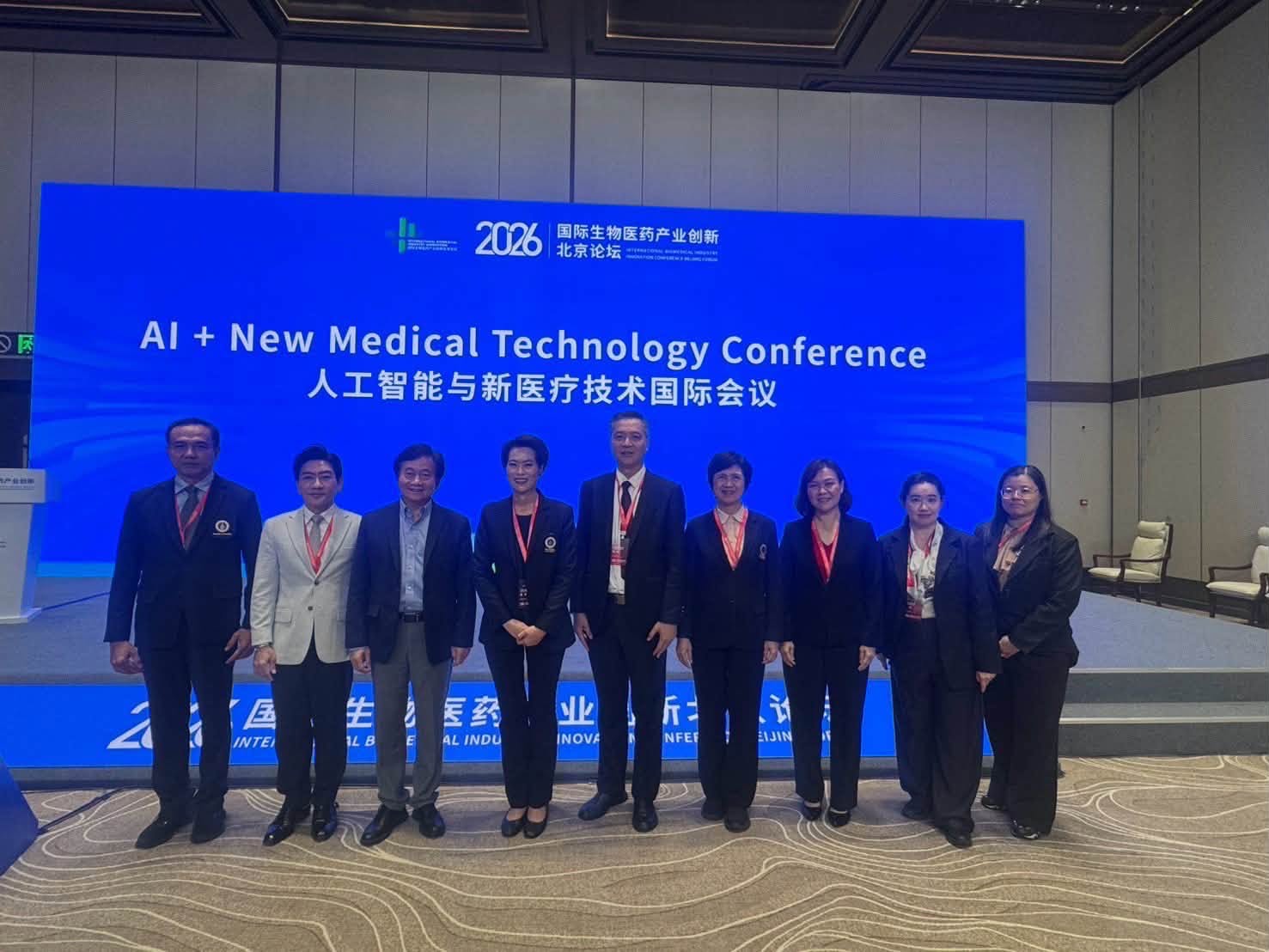
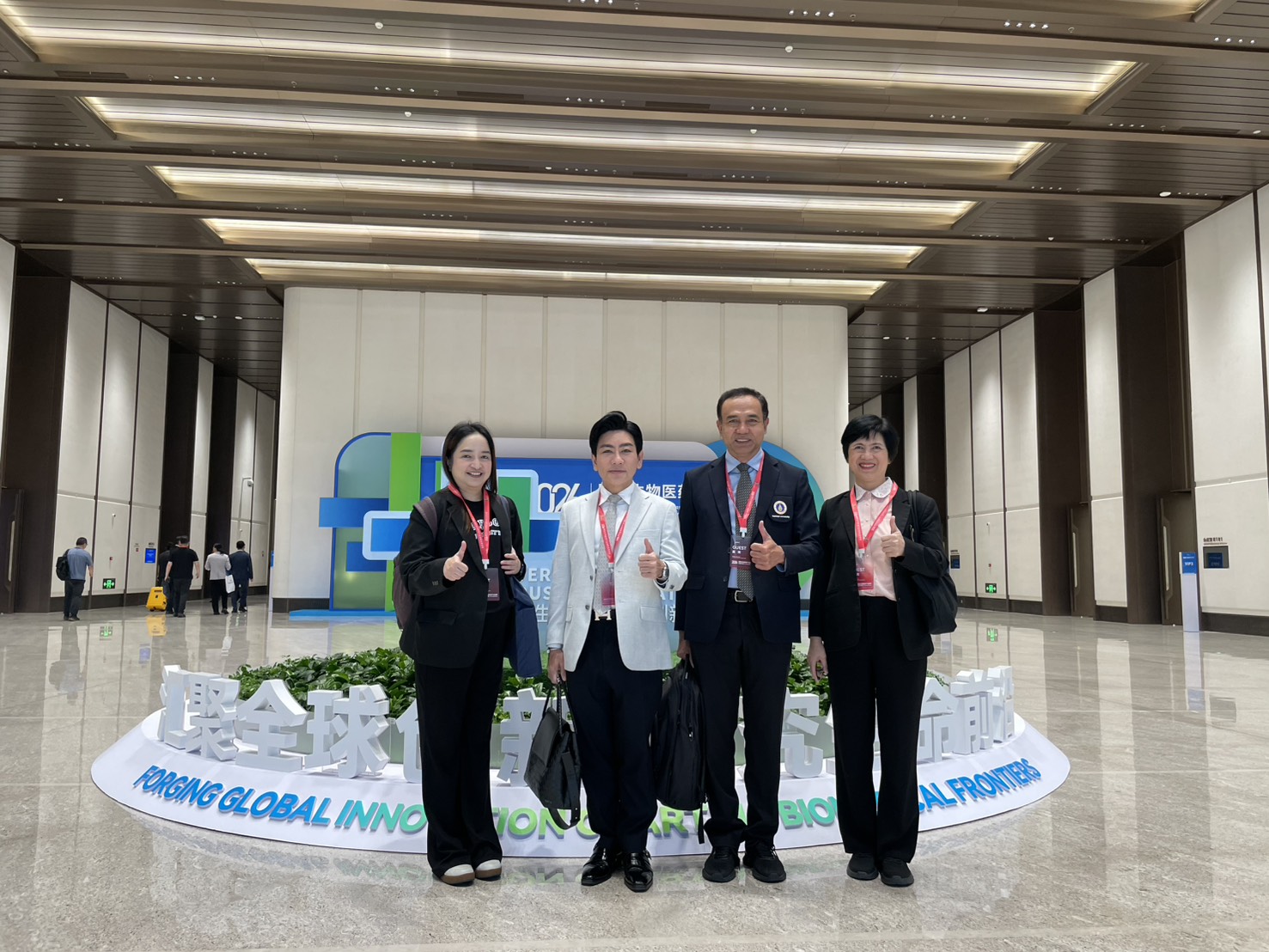
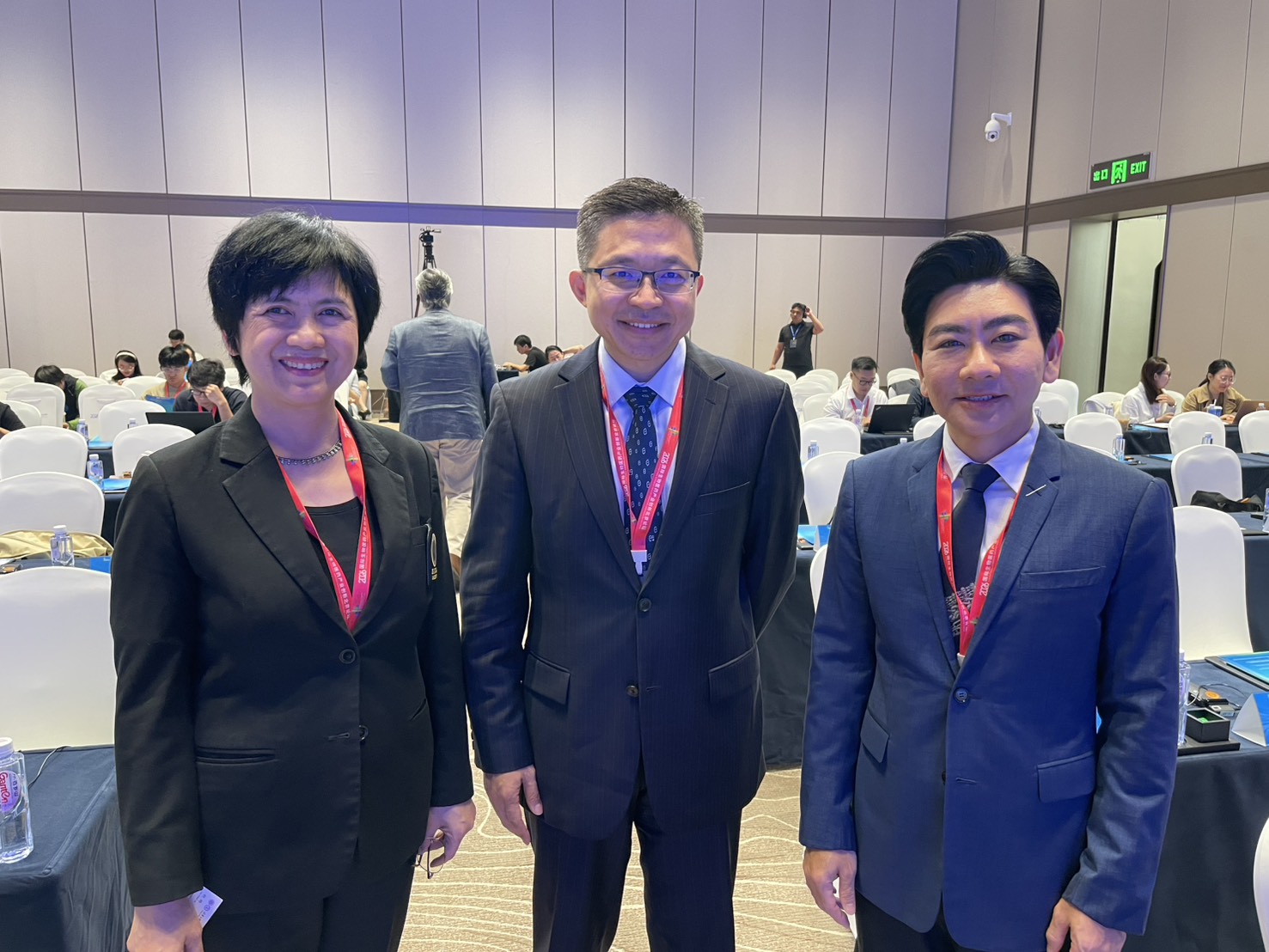
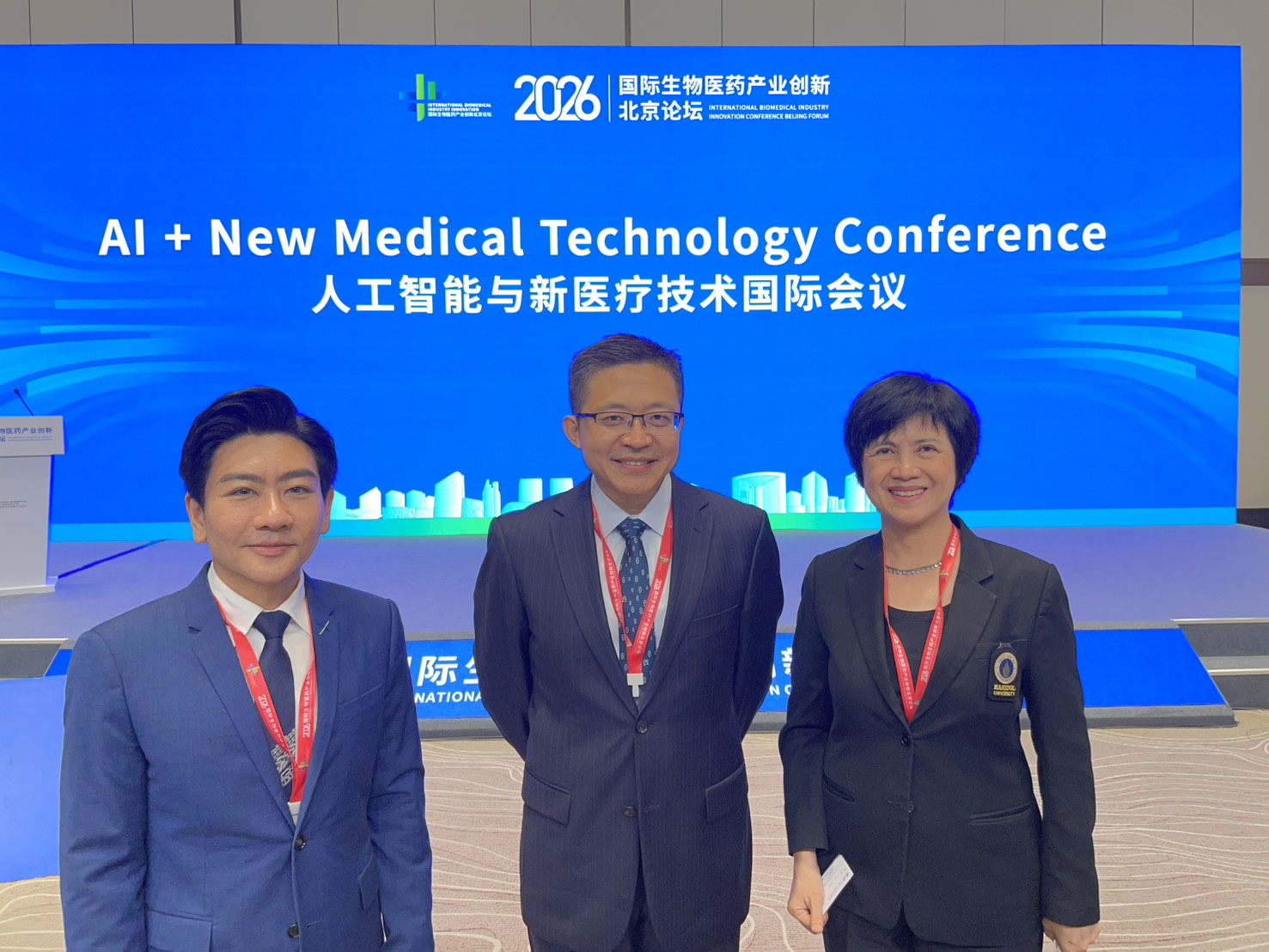
The Dean of the Faculty of Engineering, Associate Professor Dr. Thanapat Wanichanon, and Professor Dr. Paisarn Muneesawang, a Lecturer in the Department of Computer Engineering at the Faculty of Engineering, Mahidol University, took part in the 2026 International Biomedical Industry Innovation Conference Beijing Forum – AI + New Medical Technology Conference. This was held on 20–21 September 2026 at the Beijing Etrong International Convention and Exhibition Center in Beijing, People’s Republic of China.
The conference was organized by Tsinghua Medicine, Tsinghua University, in collaboration with the Beijing Economic-Technological Development Area (BDA) to commemorate the 25th anniversary of the establishment of Tsinghua Medicine. The event brought together researchers, healthcare professionals, industry leaders, and academic representatives from around the world to exchange knowledge and explore emerging trends in artificial intelligence and advanced medical technologies.
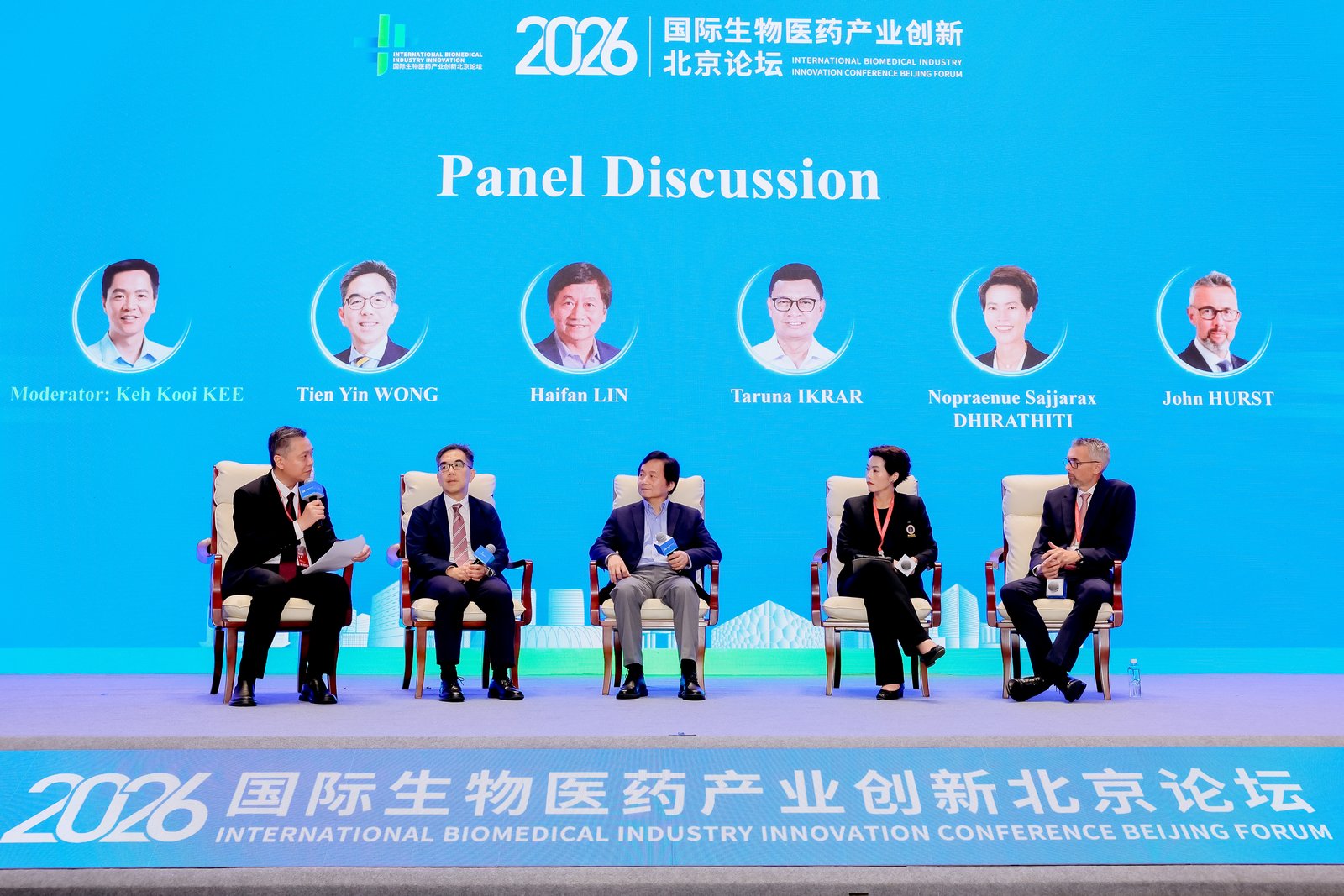
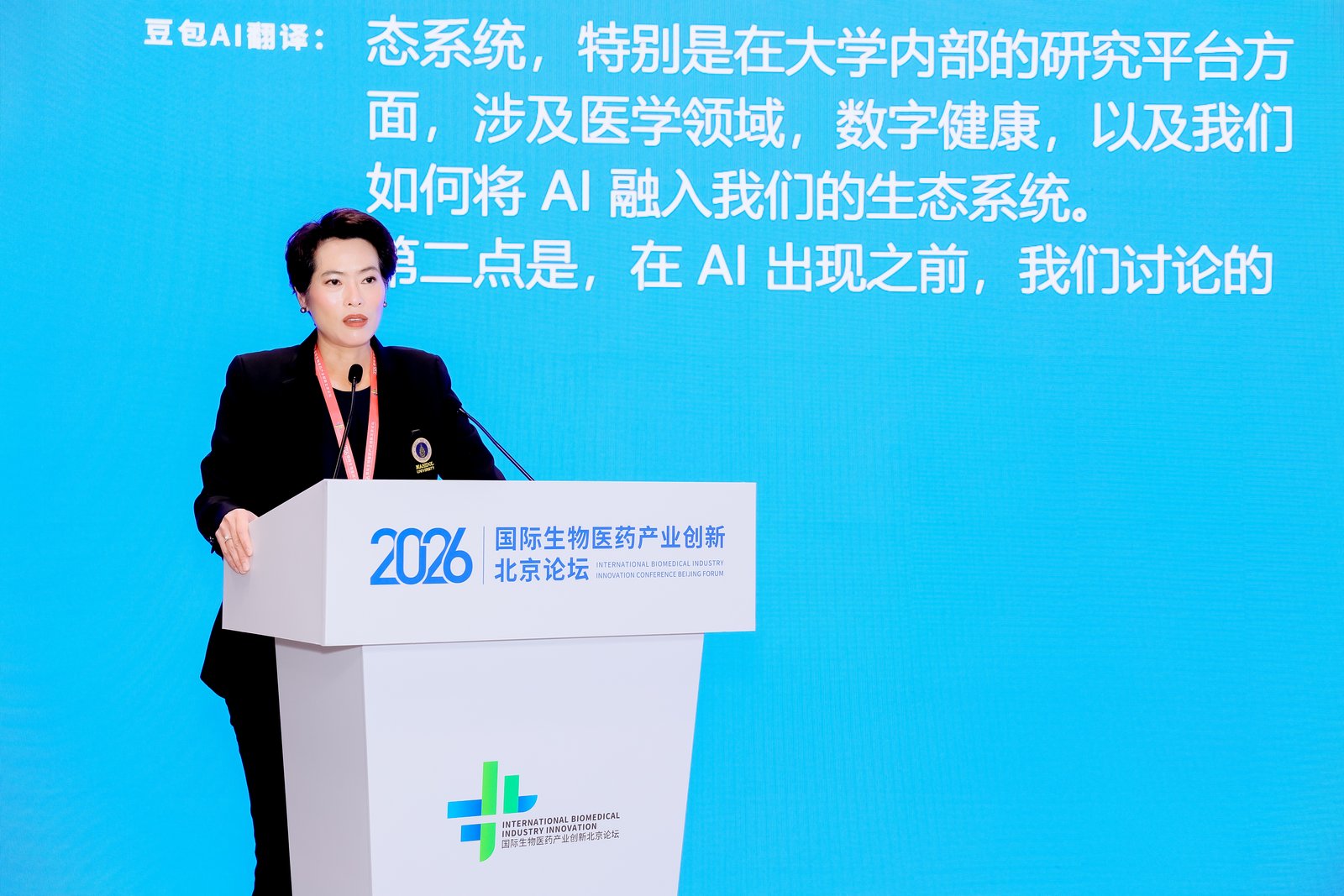
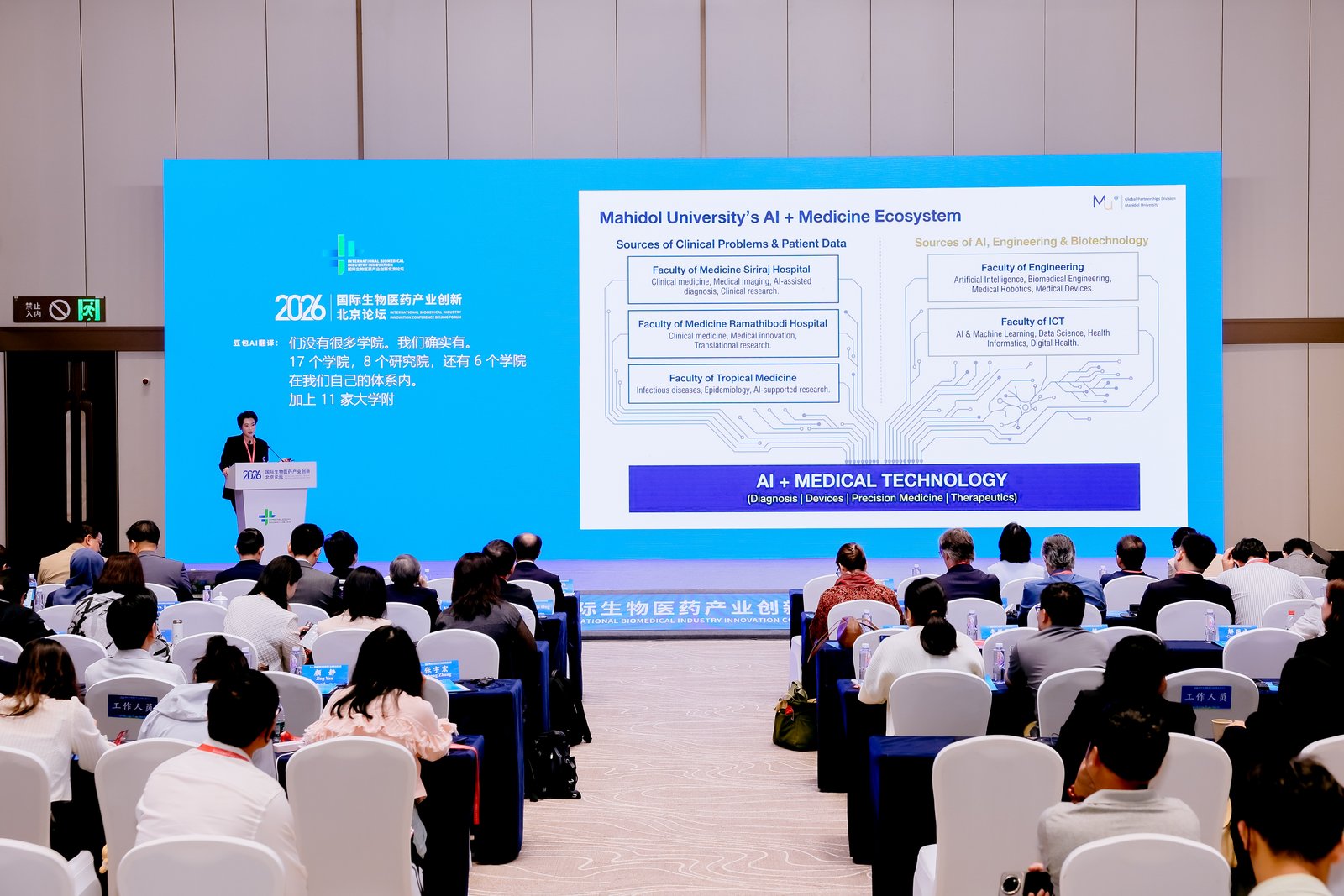
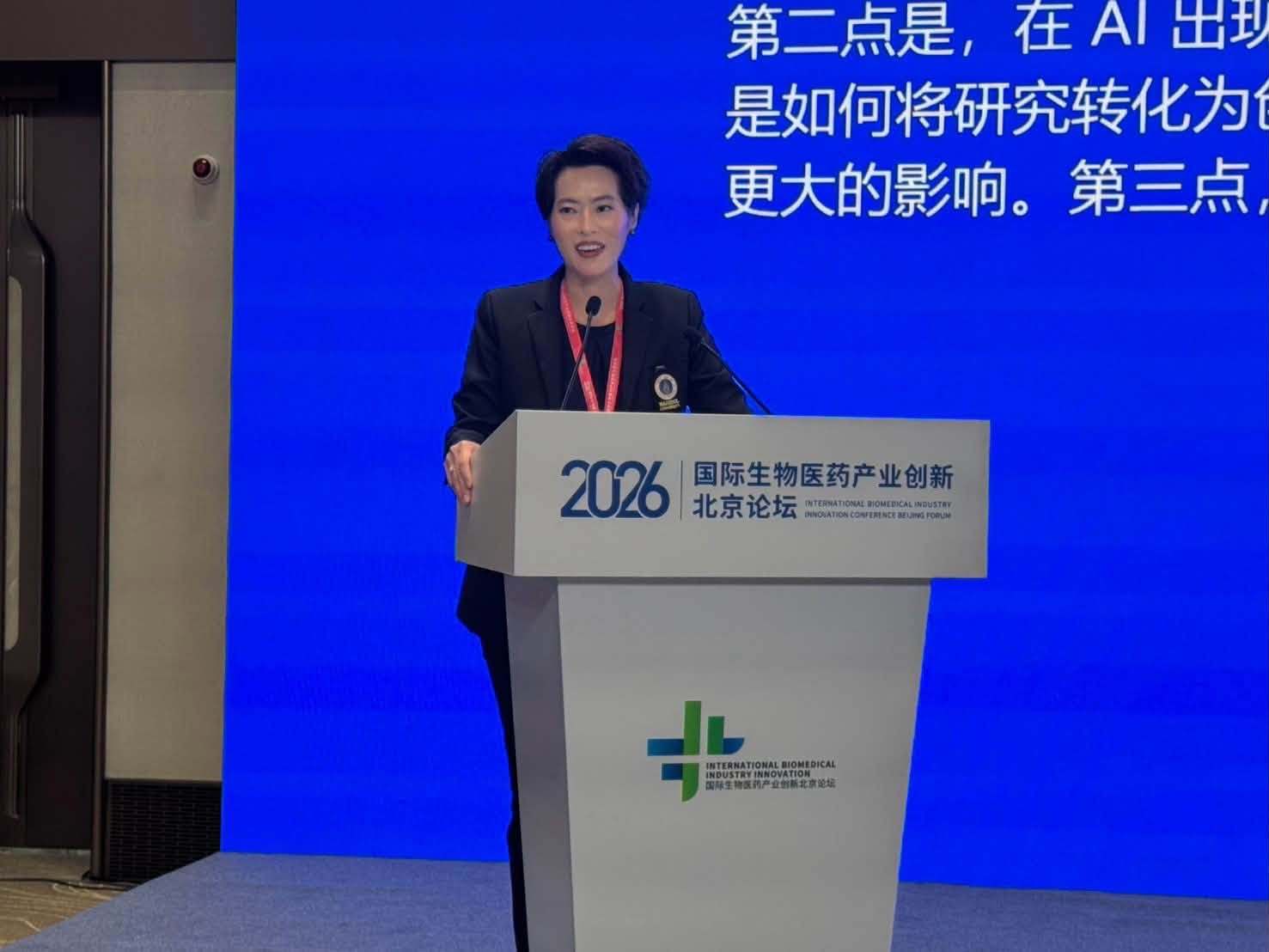
Professor Dr. Nopraenue Sajjarax Dhirathiti, Vice President for Global Partnerships and University Council of Mahidol University, represented the University in a keynote session and panel discussion titled “AI + Medical Technology & Global Collaborations: From Research Excellence to Global Health Innovation.” The session featured distinguished experts and representatives from leading global institutions, including Yale School of Medicine, University College London (UCL), National University of Singapore (NUS), and the Indonesia Food and Drug Authority (Indonesia FDA). Delegates from Mahidol University also participated in the discussion and networking activities throughout the conference.
During the forum, Mahidol University presented its collaborative framework for advancing health innovation through three key pillars: Connect - fostering interdisciplinary integration of knowledge and expertise; Translate - accelerating the translation of research outcomes into real-world applications; and Collaborate - strengthening partnerships among institutions in Thailand, China, and the international community. These initiatives aim to support Thailand’s Life Sciences Strategy and contribute to the sustainable development of healthcare innovation across the region.