Categories
Uncategorized

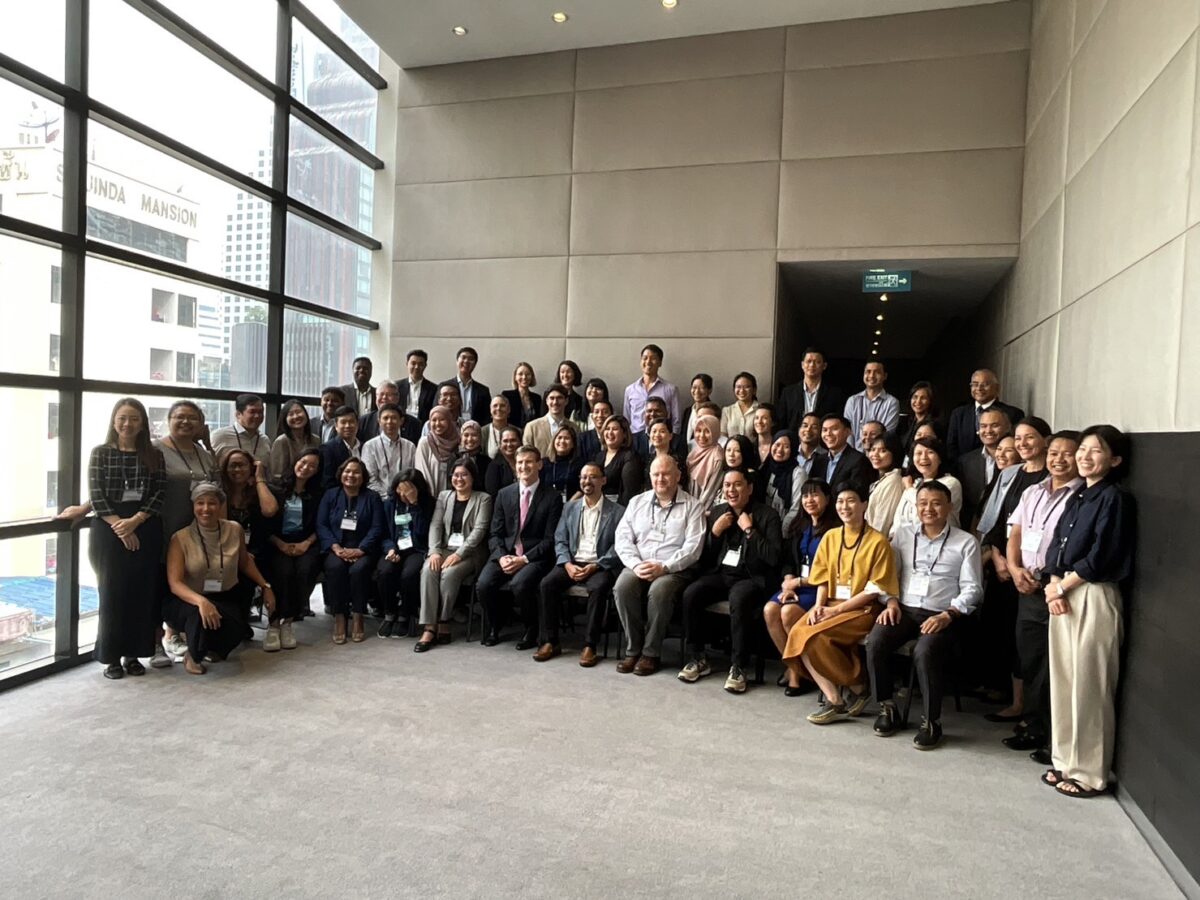
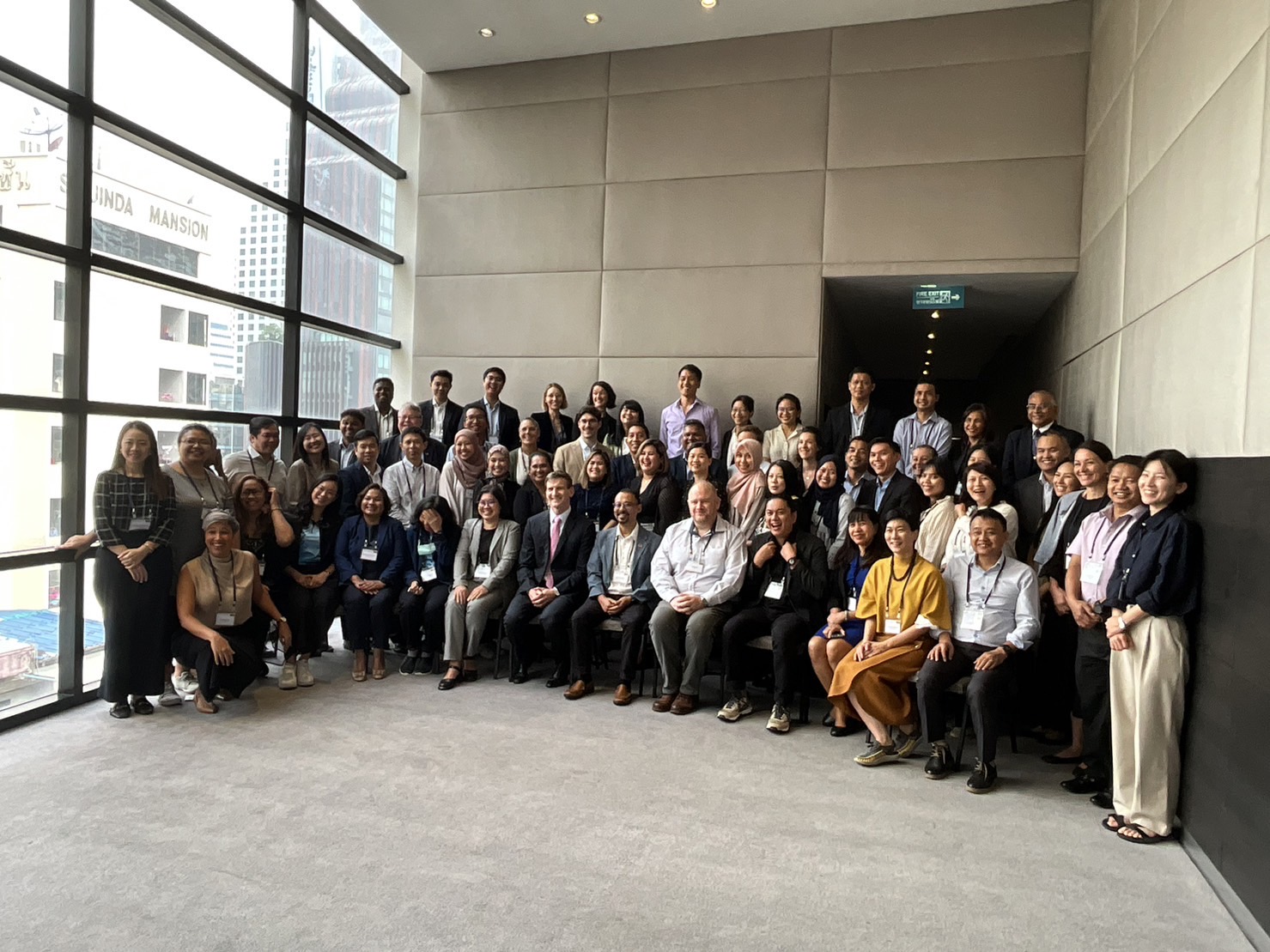
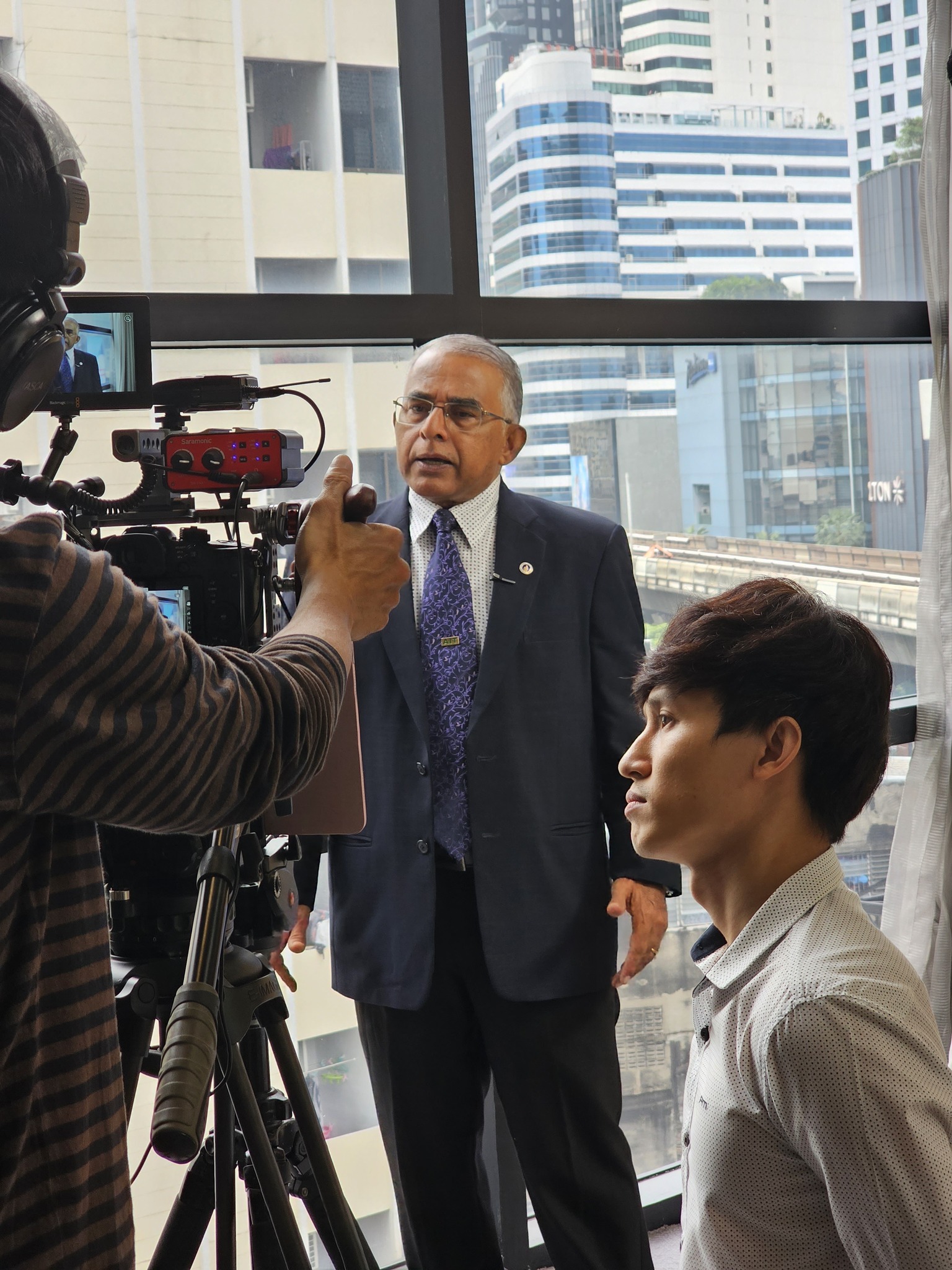
A professor from the Department of Civil and Environmental Engineering at Mahidol University participated as a speaker in the workshop titled “Strategies for Plastic Waste Data Collection and Management: Foundations for National and City Action Plans.”

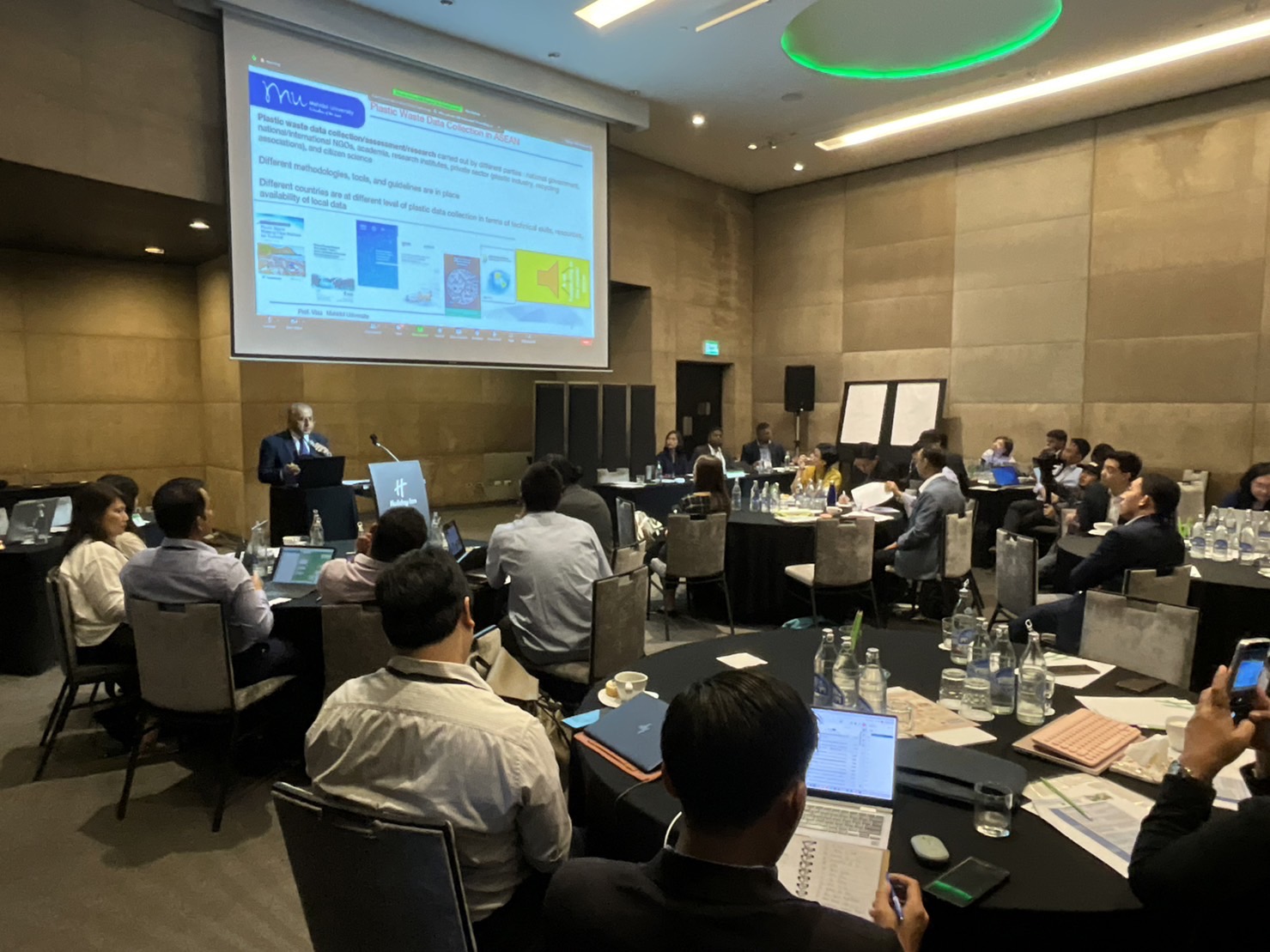
Professor Chettiyappan Visvanathan (Visu) was invited to deliver a lecture and presentation on “Plastic Waste Data Collection: Current Practices, Key Challenges, and Strategies.” He also participated in the second session’s panel discussion titled “Formal and Informal Waste Management: Working on the Ground and Overcoming Challenges” at the workshop titled “Strategies for Plastic Waste Data Collection and Management: Foundations for National and City Action Plans.” This workshop was organized by the Asian Development Bank (ADB) in collaboration with the Coordinating Body on the Seas of East Asia (COBSEA) at the Holiday Inn on Sukhumvit Road.

Professor Chettiyappan also presented a research project affiliated with Mahidol University concerning plastic waste management in Thailand. Additionally, he highlighted ongoing research activities in collaboration with the United Nations Environment Programme (UNEP).

This workshop was specifically tailored for government agencies in Indonesia, the Philippines, Thailand, and Vietnam, as part of the ADB’s Technical Assistance program aimed at promoting actions against plastic pollution entering the seas. The event attracted more than 50 attendees.
Categories
Seminar Seminar Seminar

Special Seminar on Ballistic Impact under Marie Skłodowska-Curie Research and Innovation Staff Exchange (RISE) programme

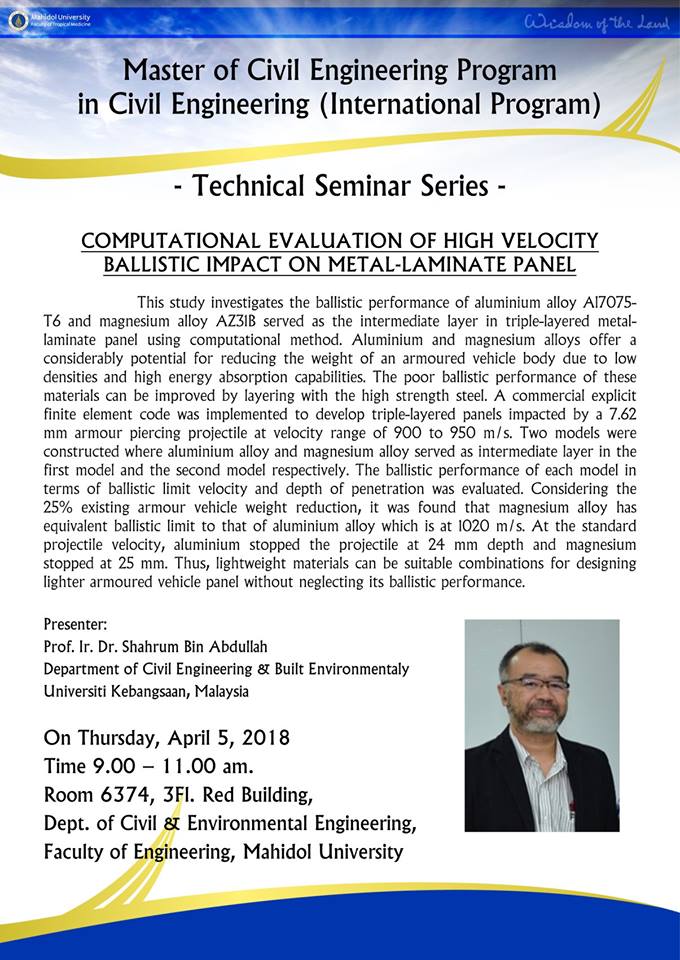
COMPUTATIONAL EVALUATION OF HIGH VELOCITY BALLISTIC IMPACT ON METAL-LAMINATE PANEL

S. Abdullah, N.A. Rahman, W.F.H. Zamri, M.F. Abdullah, M.Z. Omar, Z. Sajuri and A.K. Ariffin

Faculty of Engineering & Built Environment, Universiti Kebangsaan Malaysia, 43600 UKM Bangi, Selangor,Malaysia.
ABSTRACT

This study investigates the ballistic performance of aluminium alloy Al7075-T6 and magnesium alloy AZ31B served as the intermediate layer in triple-layered metal-laminate panel using computational method. Aluminium and magnesium alloys offer a considerably potential for reducing the weight of an armoured vehicle body due to low densities and high energy absorption capabilities. The poor ballistic performance of these materials can
be improved by layering with the high strength steel. A commercial explicit finite element code was implemented to develop triple-layered panels impacted by a 7.62 mm armour piercing projectile at velocity range of 900 to 950 m/s. Two models were constructed where aluminium alloy and magnesium alloy served as intermediate layer in the first model and the second model respectively. The ballistic performance of each model in terms of ballistic limit velocity and depth of penetration was evaluated. Considering the 25% existing armour vehicle weight reduction, it was found that magnesium alloy has equivalent ballistic limit to that of aluminium alloy which is at 1020 m/s. At the standard projectile velocity, aluminium stopped the projectile at 24 mm depth and magnesium stopped at 25 mm. Thus, lightweight materials can be suitable combinations for designing lighter
armoured vehicle panel without neglecting its ballistic performance.

Keywords: Armour piercing projectile; ballistic limit; depth of penetration; finite element; lightweight material.

Categories
Education News Master Activities

Collaboration between Mahidol University and Liverpool John Moores University under Horizon2020 Research Program

20155730_10155601127997146_1101976268290244814_n 20108572_10155601127972146_410441076563723861_n

20108555_10155601127987146_5149212799913959950_n 20229104_10155601127967146_5108180264726298812_n


The “RESET – REliability and Safety Engineering and Technology for large maritime engineering systems” project (with total funding of €1,417,500 from EU) is collaborative research among 9 universities from 7 countries – Liverpool John Moores University (UK), Aalto University (Aalto-Korkeakoulusäätiö; Finland), Instituto Superior Tecnico, Universidade of Lisbon (Portugal), Leibniz University Hannover (Germany), University of Plymouth (UK), Mahidol University (Thailand), Universiti Kebangsaan Malaysia (National University of Malaysia; Malaysia), Universiti Teknologi Malaysia (Malaysia), and Wuhan University of Technology (China).


The RESET project leader at Mahidol University is Asst. Prof. Dr. Wonsiri Punurai and the team members include Asst. Prof. Dr. Trakarn Prapaspongsa, Asst. Prof.Dr. Yasothorn Sapsathiarn, and Asst. Prof. Dr. Teraphan Ornthammarath from Department of Civil and Environmental Engineering, Faculty of Engineering. Under this project, there will be short- and long-term visits of professors and researchers from all partner universities in order to carry out research and organize seminars as well as international conferences from 2017 to 2021.


In addition, on 20th July 2017, Professor Jin Wang from Liverpool John Moores University, UK, who is the principal coordinator of this program give a special seminar organised by Department of Civil and Environmental Engineering, Faculty of Engineering, Mahidol University. The topic is ”A Risk-Based Approach in Design and Operation of Large Maritime Engineering Systems under Uncertainties”


Staffs from Mahidol University will have more opportunities from this collaboration and also interesting research outcomes from the RESET project funded by the European Union’s Horizon 2020 research and innovation programme throughout these four years.